Persistent hip pain can gradually affect nearly every weight-bearing activity. Walking becomes slower, putting on footwear becomes difficult, and even getting in or out of a vehicle may become uncomfortable. Patients with advanced hip degeneration often want to know whether they should continue conservative treatment or consider total hip replacement surgery.
The answer depends on the underlying diagnosis, structural damage, symptom severity, and impact on daily life rather than pain intensity alone.
For people in Pimpri-Chinchwad, a structured orthopaedic assessment can help clarify which stage of treatment is appropriate.
When Is Conservative Treatment Usually Considered?
Early or moderate hip symptoms may often be treated without surgery.
Depending on the diagnosis, conservative management can involve:
- Activity modification
- Physiotherapy
- Weight management where appropriate
- Medication prescribed by a doctor
- Walking aids
- Strength and mobility exercises
These approaches can help some patients maintain function for a considerable period.
However, conservative care cannot reverse advanced destruction of the joint surface.
When Does Hip Replacement Enter the Discussion?
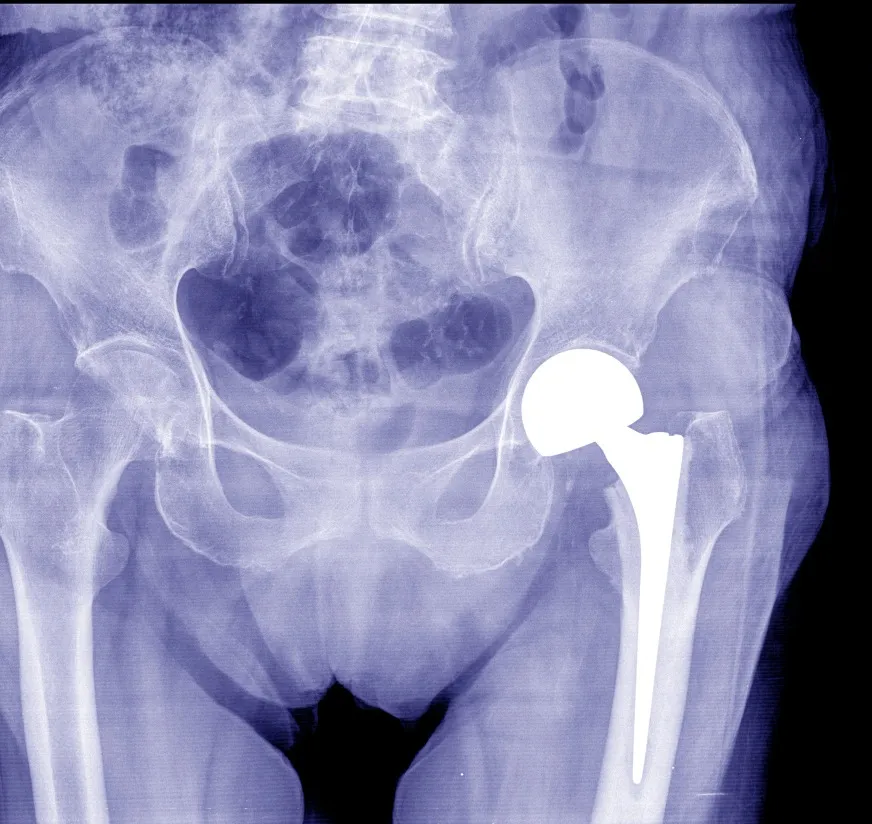
Hip replacement may be considered when significant joint damage is accompanied by persistent symptoms and functional limitation.
Patients may report:
- Deep groin or hip pain
- Difficulty walking
- Reduced hip movement
- Trouble wearing shoes or socks
- Pain during standing
- Difficulty using stairs
- Limping
- Rest or night pain
Conditions leading to severe hip damage can include osteoarthritis, avascular necrosis, certain inflammatory disorders, previous trauma, and other joint conditions.
Conservative Care and Replacement Serve Different Purposes
The two options should not be viewed simply as competing treatments.
Conservative care aims to manage symptoms and maintain useful function while the natural joint remains reasonably serviceable.
Replacement surgery is considered when the damaged joint itself has become a major source of persistent pain and disability.
Therefore, asking whether surgery is 'better' than physiotherapy is often the wrong comparison. The more useful question is whether the hip has reached a stage where non-operative treatment is no longer providing acceptable function.
What Happens During Hip Replacement?
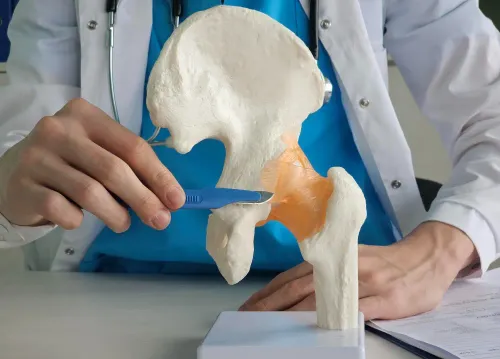
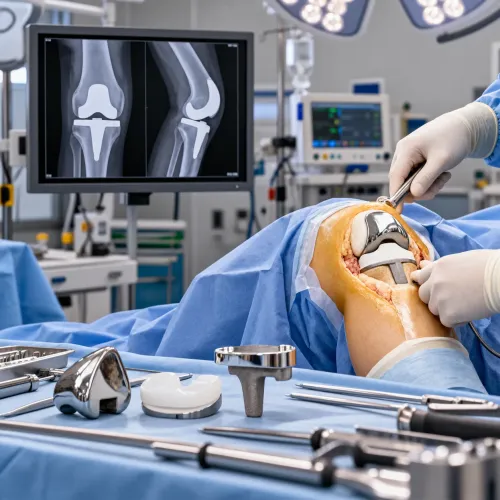
Damaged portions of the hip joint are replaced with prosthetic components designed to recreate the ball-and-socket articulation.
Surgical planning considers factors such as:
- Bone quality
- Hip anatomy
- Patient age
- Existing deformity
- Previous operations
- General medical health
The surgeon also discusses the expected rehabilitation process and precautions relevant to the individual case.
What Should You Compare Before Deciding?
Patients considering surgery can evaluate several practical factors.
Current function: How far can you comfortably walk?
Daily independence: Can you dress, use stairs, and perform household activities?
Response to treatment: Have appropriate non-surgical measures provided meaningful relief?
Imaging findings: Does the degree of joint damage correspond with the symptoms?
Overall health: Are medical conditions adequately assessed before surgery?
These considerations are more useful than making a decision based only on age.
Why Rehabilitation Matters
Hip replacement is followed by a structured recovery period. Walking and exercises are gradually advanced according to medical advice.
Rehabilitation aims to improve:
- Mobility
- Muscle strength
- Balance
- Walking confidence
- Independence in everyday activities
Patients should also understand wound care, medication instructions, movement precautions, and follow-up schedules before leaving the hospital.
Anand Orthopaedic Hospital provides evaluation for patients in Pimpri-Chinchwad experiencing hip pain and functional limitation. The purpose of assessment is to identify the cause of symptoms and determine whether conservative care remains appropriate or joint replacement should be considered.
Choosing between continued non-operative care and hip replacement is therefore not simply a matter of tolerating pain for longer. It involves assessing joint damage, daily limitations, previous treatment, medical fitness, and the patient's functional goals together.
Keywords