Joint pain does not automatically mean that a person needs replacement surgery. Many people with arthritis can manage symptoms through activity modification, physiotherapy, weight management, medication, injections, or assistive devices.
Consulting a joint replacement specialist in Pimpri Chinchwad becomes relevant when pain and stiffness continue to restrict daily life despite suitable non-surgical care.
What Is Joint Replacement?
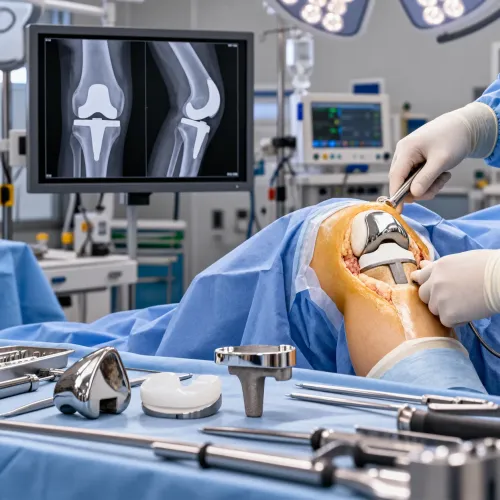
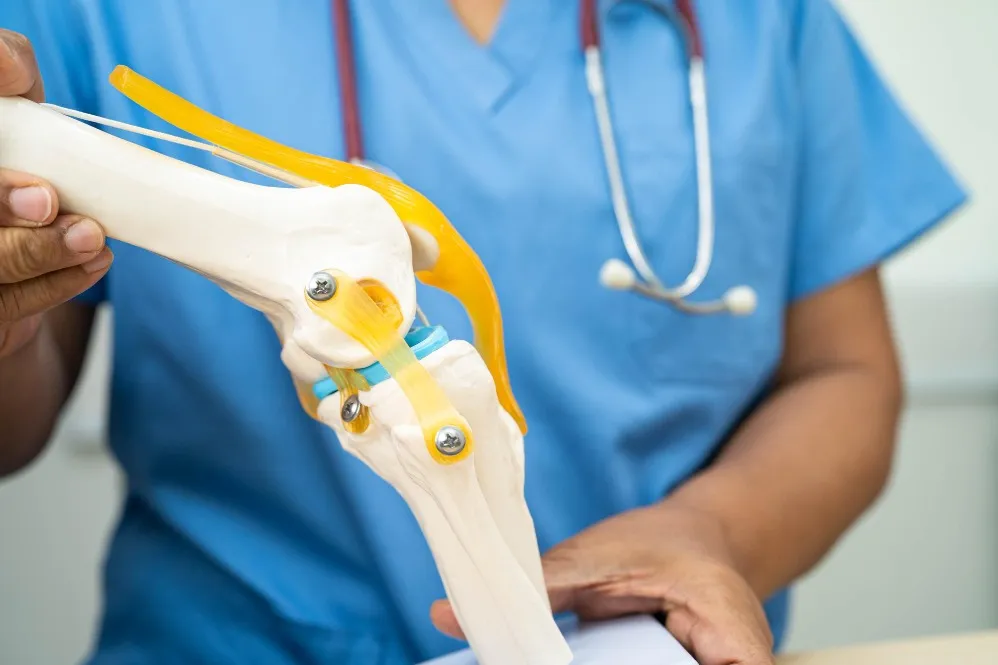
Joint replacement involves removing damaged joint surfaces and replacing them with artificial components designed to restore smoother movement. Knee and hip replacements are the most common, although other joints may also be treated in selected circumstances.
The operation does not replace the entire limb. It addresses the damaged surfaces responsible for pain, deformity, and restricted movement.
Symptoms Are Considered Alongside Imaging
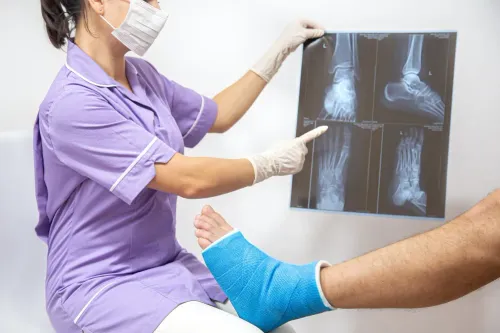
An X-ray showing arthritis is not, by itself, a reason for surgery. Some people have marked radiographic changes but manageable symptoms. Others experience serious functional limitations.
A specialist may ask whether the person can:
- Walk a reasonable distance
- Climb stairs
- Sleep without joint pain
- Rise from a chair independently
- Perform household or occupational tasks
- Participate in necessary daily activities
- Manage symptoms with current treatment
Clinical examination and weight-bearing X-rays help establish whether the symptoms match the joint damage.
When Non-Surgical Care May Still Help
Earlier-stage arthritis may respond to strengthening, low-impact exercise, weight reduction where appropriate, footwear changes, walking support, and carefully selected medicines.
Injections may offer temporary relief for some patients, but their suitability and expected benefit vary. Repeated self-medication is not a substitute for assessment, especially when pain is accompanied by progressive deformity or loss of mobility.
Indicators That Surgery May Be Discussed
Joint replacement may enter the discussion when:
- Pain remains significant despite appropriate treatment.
- Mobility and independence are steadily declining.
- Stiffness makes essential activities difficult.
- Deformity is progressing.
- Pain regularly interrupts sleep.
- The affected joint substantially reduces quality of life.
- Imaging confirms advanced structural damage consistent with symptoms.
Age alone does not determine eligibility. Overall health, bone quality, infection risk, expectations, and willingness to participate in rehabilitation are also important.
Preparing for an Informed Decision
Patients should ask what alternatives remain, what type of implant is proposed, and what recovery is likely to involve. They should also disclose diabetes, heart or lung conditions, dental infections, skin problems, previous blood clots, and all medicines or supplements.
Preoperative optimisation may include blood tests, medical evaluation, infection screening, and treatment of modifiable risks. Strengthening exercises before surgery may make early rehabilitation easier.
What Should Patients Expect From Recovery?
Pain relief is an important goal, but recovery is gradual. Early mobilisation, exercises, wound care, and prevention of complications form part of the process. Improvement continues over weeks and months rather than occurring immediately after the operation.
Anand Orthopaedic Hospital in Moshi evaluates patients from Pimpri-Chinchwad and neighbouring Pune communities who are considering knee or hip replacement. The decision is based on symptoms, examination, investigations, general health, and personal goals.
A useful consultation should leave the patient with a clear understanding of why surgery is or is not being recommended. Joint replacement is best viewed as a planned treatment for appropriately selected patients, not as an automatic response to every arthritic joint.
Keywords