Spine pain is one of the leading reasons people seek medical care, affecting individuals across different age groups and lifestyles. Whether it begins as mild discomfort after a long day at work or develops into persistent pain that interferes with daily activities, spinal problems deserve proper medical attention. Seeking timely spine pain treatment in PCMC helps identify the underlying cause and allows patients to begin appropriate treatment before the condition worsens.
Modern lifestyles often place considerable stress on the spine. Long hours at a desk, repetitive lifting, poor posture, lack of physical activity, and age-related changes can all contribute to spinal pain. While many episodes improve with conservative care, persistent or severe symptoms should be evaluated by an orthopaedic spine specialist.
Understanding Spine Pain
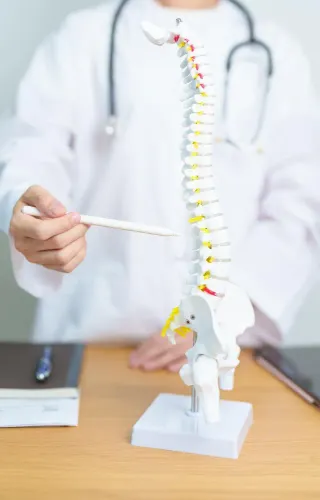
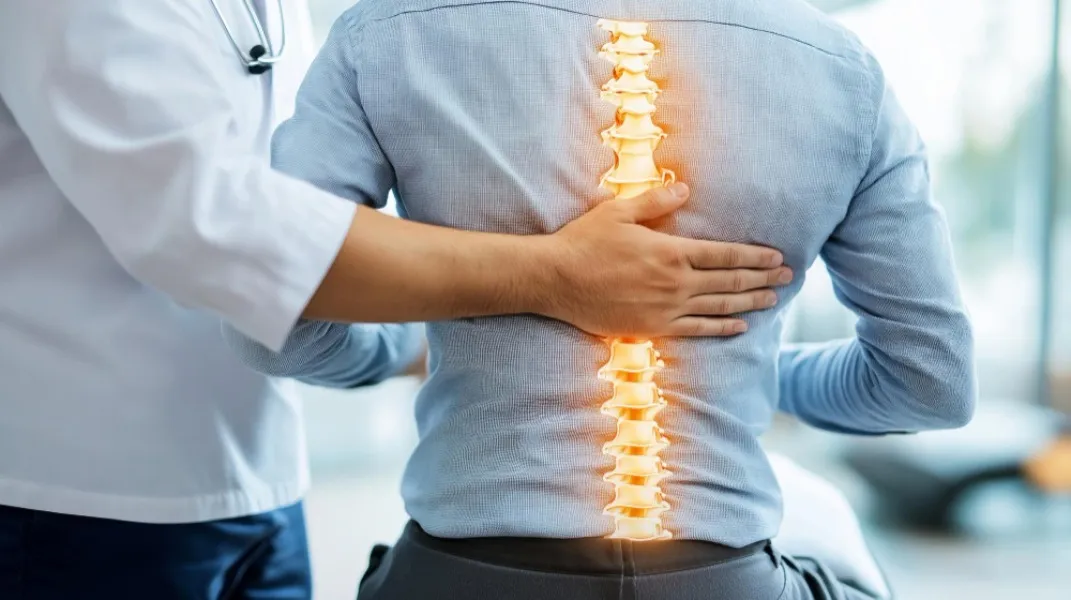
The spine is a complex structure made up of bones, intervertebral discs, joints, muscles, ligaments, and nerves. These components work together to support body movement, maintain balance, and protect the spinal cord.
Pain can originate from any of these structures. Sometimes the discomfort is limited to the neck or lower back, while in other cases it radiates into the arms or legs because of nerve irritation.
Identifying the exact source of pain is essential because treatment varies depending on the underlying condition.
Common Causes of Spine Pain
Spinal pain can develop gradually or appear suddenly after an injury. Some of the most frequently diagnosed causes include:
- Muscle strain from overuse
- Poor sitting or standing posture
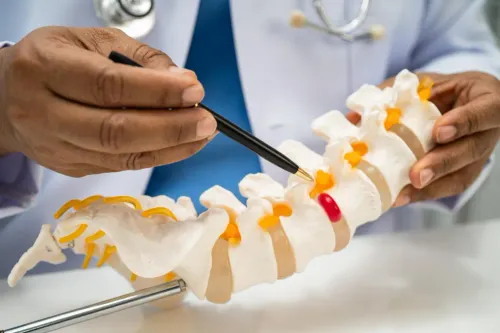
- Herniated (slipped) disc
- Degenerative disc disease
- Arthritis affecting the spine
- Spinal stenosis
- Osteoporosis-related compression fractures
- Sports injuries
- Road traffic accidents
- Workplace-related lifting injuries
Older adults may experience spine pain due to age-related degeneration, while younger individuals often develop symptoms because of occupational or lifestyle factors.
Symptoms That Should Not Be Ignored
Many people live with back or neck pain for weeks before seeking medical advice. However, certain symptoms require prompt evaluation.
Consult a spine specialist if you notice:
- Pain lasting more than a few weeks
- Pain that worsens with activity
- Pain radiating into the arms or legs
- Numbness or tingling
- Muscle weakness
- Difficulty walking or maintaining balance
- Neck stiffness with reduced movement
- Persistent lower back pain affecting sleep
Early assessment can prevent small problems from progressing into more serious spinal conditions.
How Spine Problems Are Diagnosed
Accurate diagnosis begins with understanding the patient's symptoms, daily activities, occupation, and previous injuries.
A comprehensive evaluation may include:
- Detailed medical history
- Physical examination
- Neurological assessment
- X-rays to assess bone alignment
- MRI scans to evaluate discs, nerves, and soft tissues
- CT scans when additional bone detail is required
Diagnostic imaging is selected based on clinical findings rather than being routinely required for every patient.
Non-Surgical Spine Pain Treatment
Many spinal conditions improve without surgery when diagnosed early. Conservative treatment remains the first choice for numerous patients.
Treatment may include:
- Activity modification
- Medication prescribed by the treating doctor
- Physiotherapy
- Core strengthening exercises
- Stretching programs
- Posture correction
- Ergonomic workplace adjustments
- Weight management guidance
A structured rehabilitation plan helps improve mobility while reducing stress on the spine.
When Surgery May Be Considered
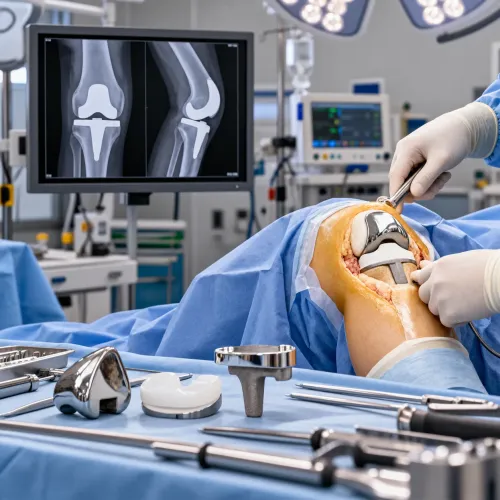
Although most patients recover with non-surgical care, surgery may become necessary in specific situations.
These include:
- Severe nerve compression
- Progressive muscle weakness
- Persistent pain despite conservative treatment
- Spinal instability
- Certain fractures affecting the spine
- Structural deformities requiring correction
The decision for surgery depends on clinical examination, imaging findings, and the patient's overall health rather than pain alone.
Everyday Habits That Protect the Spine
Healthy daily habits play an important role in preventing spinal problems and reducing the risk of recurrence.
Simple measures include:
- Maintaining proper sitting posture
- Taking regular breaks from prolonged desk work
- Using correct lifting techniques
- Exercising regularly
- Strengthening the core muscles
- Sleeping on a supportive mattress
- Maintaining a healthy body weight
These habits reduce unnecessary strain on the spine and contribute to long-term musculoskeletal health.
The Importance of Rehabilitation
Recovery from spine pain extends beyond symptom relief. Rehabilitation focuses on restoring function while preventing future episodes.
A rehabilitation program may include:
- Mobility exercises
- Strength training
- Balance improvement
- Flexibility exercises
- Functional movement training
- Education about posture and body mechanics
Patients who actively participate in rehabilitation often regain confidence in their daily activities more effectively.
Choosing a Spine Care Provider
When selecting a hospital or specialist for spine care, patients may consider several important factors:
- Experience in managing spinal disorders
- Access to advanced diagnostic imaging
- Availability of comprehensive non-surgical treatment
- Expertise in spine surgery when required
- Coordinated physiotherapy and rehabilitation services
- Individualized treatment planning
A multidisciplinary approach ensures patients receive care that is tailored to their specific diagnosis and recovery goals.
Supporting Long-Term Spine Health
Spine pain should never be viewed as a condition that must simply be tolerated. Early diagnosis, appropriate treatment, and consistent rehabilitation can help many individuals return to work, recreation, and daily life with improved comfort and mobility.
For people living in PCMC, Moshi, Pune, and nearby areas, timely orthopaedic assessment plays an important role in identifying the cause of spinal pain and selecting the most suitable treatment. Anand Orthopaedic Hospital provides comprehensive evaluation and management for spine-related conditions, combining advanced diagnostic techniques with evidence-based treatment and rehabilitation. Through educational resources available on drniranjanganjewar.com, the hospital supports patients in understanding their condition and making informed decisions about their spinal health.
Keywords