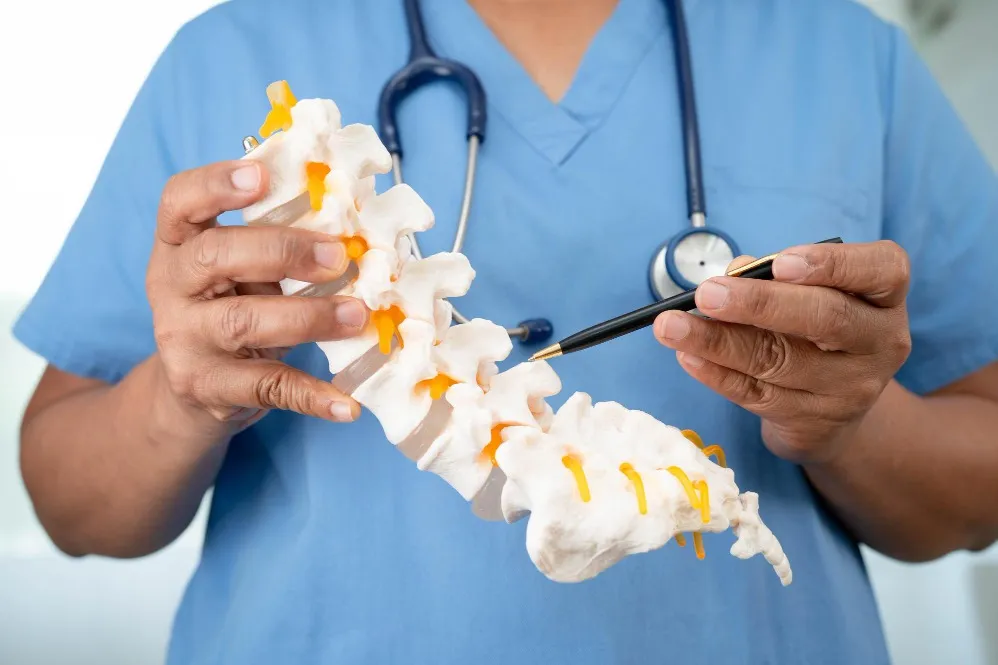
Back pain is one of the most common health concerns among adults, but not every episode of back pain is the same. In some cases, the discomfort may result from a slipped disc, also known as a herniated or prolapsed disc. This condition can affect mobility, interfere with work and daily activities, and significantly reduce quality of life if left untreated. Consulting a slip disc specialist in Pimpri-Chinchwad can help determine the exact cause of pain and identify the most appropriate treatment approach.
A slipped disc does not always require surgery. Many patients recover successfully through early diagnosis, guided rehabilitation, and lifestyle modifications. Understanding how the condition develops and recognizing its symptoms can help patients seek medical care before complications arise.
What Is a Slip Disc?
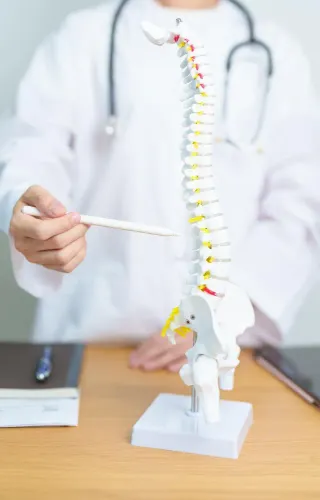
The spine is made up of small bones called vertebrae, separated by soft discs that act as cushions. These discs absorb shock during walking, bending, lifting, and other everyday movements.
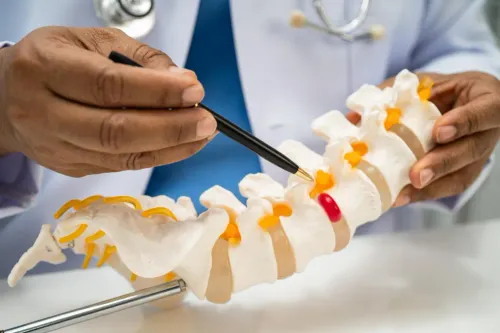
A slip disc occurs when the soft inner portion of a spinal disc pushes through its outer layer. If the displaced disc presses against nearby nerves, it can cause pain, numbness, tingling, or weakness in different parts of the body.
Although commonly called a 'slipped disc,' the disc itself does not actually slip out of place. Instead, it bulges or herniates, placing pressure on surrounding structures.
Common Causes of a Slip Disc
Several factors can contribute to disc problems. While ageing naturally affects spinal discs over time, other risk factors may increase the likelihood of injury.
Common causes include:
- Age-related disc degeneration
- Repeated heavy lifting
- Incorrect lifting techniques
- Sudden twisting movements
- Long hours of sitting
- Obesity
- Poor posture
- Previous spinal injuries
People who perform physically demanding jobs or spend extended hours at desks may both be at increased risk.
Symptoms That Should Not Be Ignored
Symptoms vary depending on the location and severity of the disc problem. Some people experience only mild discomfort, while others develop significant nerve-related symptoms.
Common signs include:
- Persistent lower back pain
- Neck pain
- Pain radiating into the arms or legs
- Tingling sensations
- Numbness
- Muscle weakness
- Difficulty standing or walking for long periods
- Pain that worsens while coughing or sneezing
If these symptoms persist or worsen, medical evaluation becomes important to identify the underlying cause.
How Is a Slip Disc Diagnosed?
A thorough diagnosis involves more than simply identifying the location of pain. Doctors assess the patient's symptoms, medical history, and physical examination findings before recommending imaging studies if required.
The evaluation may include:
- Review of medical history
- Physical and neurological examination
- Assessment of muscle strength and reflexes
- MRI scan to visualize spinal discs and nerves
- X-rays or CT scans in selected situations
MRI remains one of the most useful investigations for confirming a slipped disc and identifying nerve compression.
Can a Slip Disc Heal Without Surgery?
One of the biggest misconceptions is that every slipped disc requires surgery. Fortunately, many patients improve with non-surgical treatment, especially when medical care begins early.
Conservative treatment may include:
- Activity modification
- Pain management
- Anti-inflammatory medication when prescribed
- Physiotherapy
- Core strengthening exercises
- Posture correction
- Guided stretching programs
These measures help reduce inflammation, relieve nerve pressure, and improve spinal stability.
When Is Surgery Recommended?
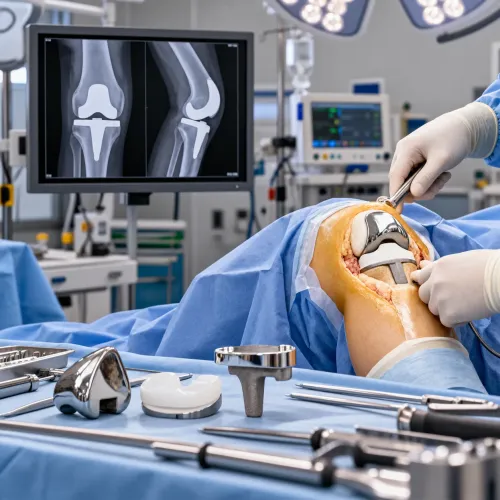
Surgery is generally considered when conservative treatment does not provide adequate relief or when significant neurological symptoms develop.
Doctors may recommend surgical treatment if a patient experiences:
- Progressive muscle weakness
- Persistent severe pain despite treatment
- Loss of bladder or bowel control
- Significant nerve compression
- Reduced quality of life due to ongoing symptoms
The decision is based on individual clinical findings rather than MRI results alone.
Lifestyle Changes That Support Recovery
Recovery often depends on adopting healthy habits that protect the spine from repeated strain.
Helpful measures include:
- Maintaining proper posture while sitting and standing
- Using correct lifting techniques
- Staying physically active
- Strengthening core muscles
- Managing body weight
- Taking regular breaks during prolonged sitting
- Sleeping on a supportive mattress
These changes can reduce stress on spinal discs and lower the risk of future episodes.
Preventing Recurrence
Although not every slipped disc can be prevented, reducing avoidable risk factors may help protect spinal health.
Simple preventive practices include:
- Regular stretching
- Strength training under guidance
- Ergonomic workplace adjustments
- Avoiding sudden heavy lifting
- Maintaining flexibility
- Practising safe exercise techniques
Consistent attention to spinal health benefits people of all ages, especially those with physically demanding occupations.
Choosing the Right Specialist for Spine Care
When selecting a specialist for back or neck pain, patients may consider:
- Experience in diagnosing spine conditions
- Access to advanced imaging facilities
- Comprehensive non-surgical treatment options
- Expertise in spinal surgery when required
- Integrated physiotherapy and rehabilitation support
A multidisciplinary approach ensures patients receive individualized treatment based on the severity of their condition rather than a standardized treatment plan.
Supporting Better Spine Health Through Early Care
Persistent back or neck pain should never be ignored, particularly when accompanied by numbness, weakness, or radiating pain. Early diagnosis often provides more treatment options and may help patients recover without extensive intervention.
For residents of Pimpri-Chinchwad, Moshi, and Pune, access to comprehensive spine care enables timely evaluation and personalized management of slipped disc conditions. Anand Orthopaedic Hospital offers assessment and treatment for various spinal disorders, combining clinical expertise with evidence-based care. Through patient education available on drniranjanganjewar.com, the hospital encourages informed decision-making and supports individuals in restoring spinal health, mobility, and overall quality of life.
Keywords