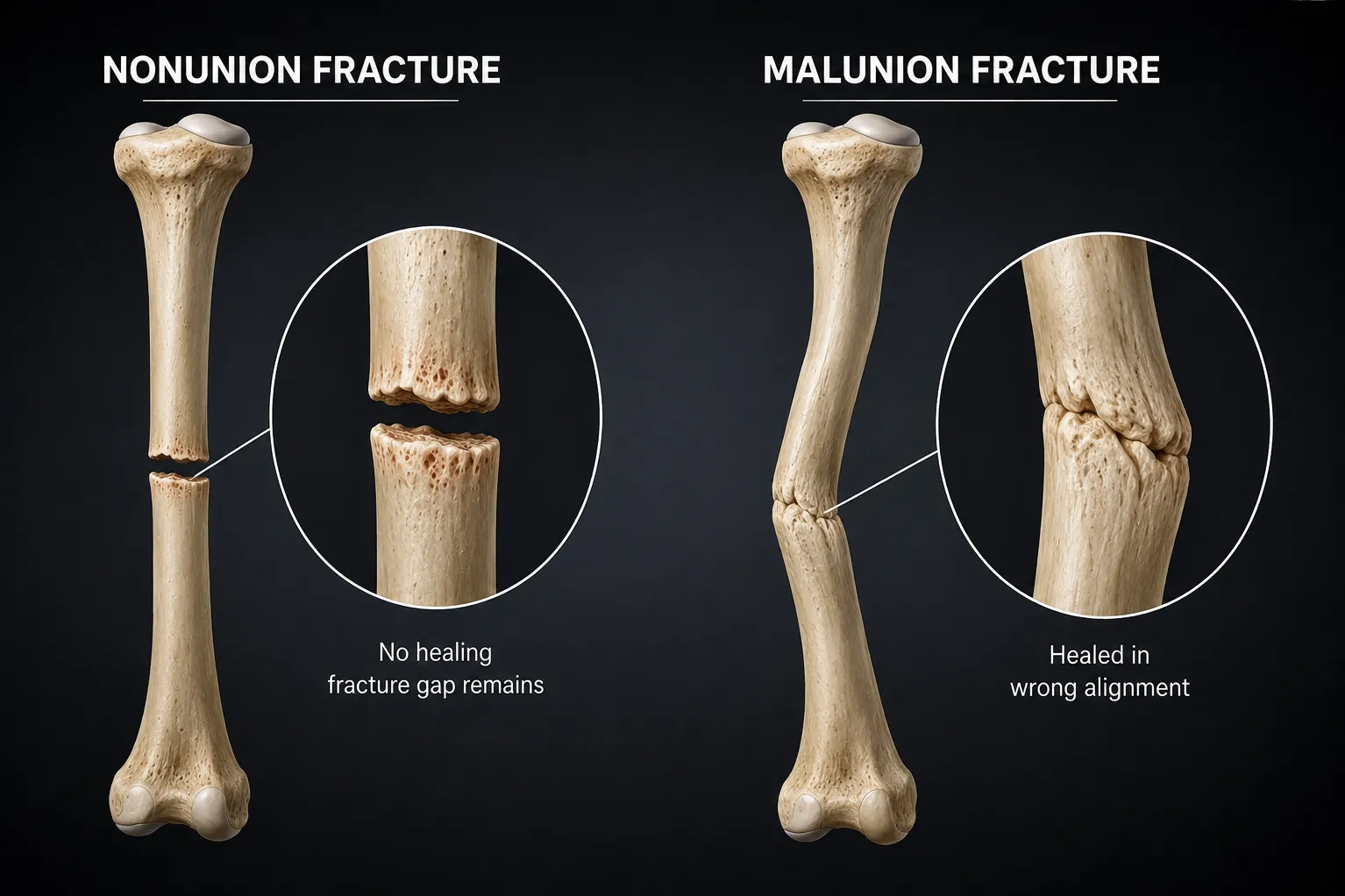
Most bone fractures heal successfully when they receive timely and appropriate treatment. However, in some cases, healing does not occur as expected. A fracture may heal very slowly, fail to heal completely, or heal in the wrong position, leading to ongoing pain, reduced mobility, and difficulty performing everyday activities. Consulting a nonunion and malunion fracture specialist in PCMC becomes important when recovery is delayed or the affected limb is not functioning normally after a fracture.
Advances in orthopaedic trauma care have made it possible to manage many complex fracture healing problems through specialized evaluation and individualized treatment. Understanding the difference between nonunion and malunion can help patients recognize when further medical attention may be necessary.
Understanding How Fractures Normally Heal
Bone healing is a gradual biological process. After a fracture, the body forms new bone tissue to reconnect the broken ends. During this period, proper alignment, stability, blood supply, and patient health all influence the healing process.
For many fractures, healing occurs over several weeks or months. Regular follow-up appointments help doctors monitor progress and identify any signs that healing is not occurring as expected.
What Is a Nonunion Fracture?
A nonunion occurs when the fractured bone fails to heal despite sufficient time having passed. Instead of forming solid bone, the fracture remains unstable and continues to cause pain or limited function.
Common factors associated with nonunion include:
- Severe fractures
- Poor blood supply
- Infection
- Smoking
- Diabetes
- Inadequate fracture stabilization
- Certain medications or medical conditions
A nonunion generally requires specialist assessment because the bone is unlikely to heal without additional treatment.
What Is a Malunion Fracture?
A malunion develops when the fracture heals in an incorrect position. Although the bone has united, the alignment may be abnormal, affecting movement, joint function, or limb appearance.
Depending on the severity, malunion may lead to:
- Persistent pain
- Difficulty walking
- Reduced range of movement
- Limb shortening
- Joint stiffness
- Abnormal weight distribution
- Early joint degeneration
Not every malunion requires surgery, but significant deformity often benefits from orthopaedic correction.
Symptoms That Suggest Delayed Fracture Healing
Patients recovering from fractures should seek medical review if they notice:
- Persistent pain months after injury
- Ongoing swelling
- Difficulty bearing weight
- Abnormal movement at the fracture site
- Visible deformity
- Limited function despite rehabilitation
- Delayed return to daily activities
These symptoms do not always indicate nonunion or malunion, but they should be evaluated promptly.
How Specialists Diagnose Nonunion and Malunion
Accurate diagnosis requires both clinical examination and imaging.
The assessment generally includes:
- Review of previous injury and treatment history
- Physical examination
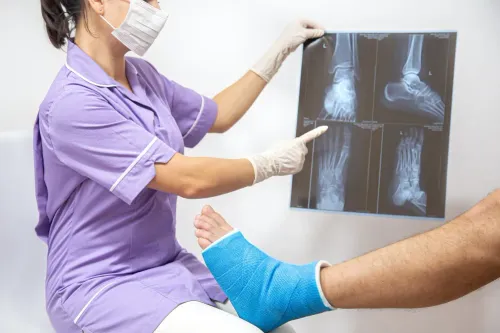
- X-rays to assess bone healing
- CT scan when detailed bone assessment is required
- Blood investigations if infection is suspected
Doctors also evaluate the patient's overall health, nutrition, and factors that may influence bone healing.
Treatment Options for Nonunion Fractures
Treatment depends on the cause of delayed healing and the condition of the surrounding bone and soft tissues.
Possible approaches include:
- Revision fracture fixation
- Bone grafting
- Improved stabilization using plates, screws, or nails
- Infection management when required
- Bone stimulation in selected cases
The objective is to create an environment that encourages successful bone healing while restoring limb function.
Treatment for Malunion Fractures
When a fracture heals in poor alignment and causes functional problems, corrective treatment may be considered.
Management options may include:
- Corrective osteotomy
- Realignment procedures
- Internal fixation
- Bone grafting when necessary
- Rehabilitation following surgery
Treatment is individualized according to the patient's symptoms, age, activity level, and the location of the deformity.
The Importance of Rehabilitation
Whether treatment is surgical or non-surgical, rehabilitation plays an essential role in recovery.
Physiotherapy helps patients:
- Improve joint mobility
- Restore muscle strength
- Correct movement patterns
- Improve balance
- Return safely to work and recreational activities
A structured rehabilitation program supports both bone healing and functional recovery.
Can Delayed Healing Be Prevented?
Although not every complication can be avoided, several measures support healthy fracture healing.
These include:
- Following weight-bearing instructions carefully
- Attending scheduled follow-up appointments
- Maintaining a nutritious diet rich in calcium and protein
- Avoiding tobacco use
- Managing chronic medical conditions
- Completing prescribed physiotherapy
Early recognition of healing problems often allows treatment before complications become more severe.
Choosing a Specialist for Complex Fracture Care
Patients seeking treatment for delayed fracture healing may consider:
- Experience in complex fracture reconstruction
- Advanced diagnostic imaging
- Expertise in trauma surgery
- Comprehensive rehabilitation services
- Individualized treatment planning
- Long-term follow-up care
A coordinated orthopaedic approach helps address both the fracture and the factors contributing to delayed healing.
Restoring Function After Complex Fracture Healing Problems
A fracture that does not heal properly can affect mobility, independence, and overall quality of life. Fortunately, many nonunion and malunion cases can be successfully managed with modern orthopaedic techniques when diagnosed early and treated appropriately.
For residents of PCMC, Moshi, Pune, and surrounding areas, access to specialized fracture care supports better outcomes for patients experiencing delayed healing or deformity after injury. Anand Orthopaedic Hospital provides comprehensive evaluation and treatment for complex fractures, trauma-related conditions, and reconstructive orthopaedic procedures through evidence-based clinical care. Information available on drniranjanganjewar.com also helps patients understand fracture healing, recognize warning signs, and make informed decisions about their recovery journey.
Keywords