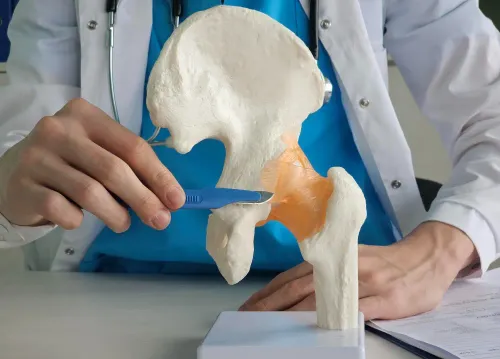

Occasional neck stiffness after prolonged computer work or an awkward sleeping position often settles with simple measures. Persistent or repeatedly recurring symptoms are different. Chronic neck pain treatment begins by identifying why the pain continues rather than repeatedly relying on temporary relief.
For working professionals, older adults, drivers, and other patients across Pune, prolonged sitting, degenerative changes, muscle weakness, previous injuries, and cervical spine disorders can all contribute to ongoing neck symptoms.
Why Does Neck Pain Become Chronic?
Neck pain can have several causes, and more than one factor may be present.
Common possibilities include:
- Muscle strain
- Poor workstation ergonomics
- Cervical spondylosis
- Disc degeneration
- Facet joint problems
- Previous trauma
- Nerve compression
- Reduced neck and upper-back strength
Because the causes vary, a treatment that works for one person may not be suitable for another.
Mistake 1: Treating Every Episode Only With Rest
Rest can be useful during an acute painful episode, but prolonged inactivity is not necessarily a long-term solution.
When medically appropriate, progressive movement and strengthening can help improve neck function and tolerance for daily activity.
Repeatedly stopping all activity whenever discomfort occurs may contribute to deconditioning.
Mistake 2: Ignoring Workstation Habits
People who spend long hours using laptops or phones may repeatedly place the neck in sustained positions.
Useful ergonomic adjustments can include:
- Keeping the screen closer to eye level
- Supporting the lower back
- Avoiding prolonged forward-head posture
- Taking regular movement breaks
- Positioning frequently used items within comfortable reach
Ergonomic changes work best when combined with appropriate physical conditioning rather than being treated as a complete cure.
Mistake 3: Assuming Every Neck Pain Is a Slip Disc
A disc problem is only one potential source of symptoms.
An orthopaedic examination considers the location of pain, neck movement, muscle strength, sensation, reflexes, and whether symptoms travel into the shoulder, arm, or hand.
Imaging is recommended according to clinical need rather than automatically for every mild episode.
Mistake 4: Ignoring Arm Symptoms
Neck pain accompanied by pain, numbness, tingling, or weakness in an arm may indicate nerve involvement.
Symptoms requiring medical evaluation include:
- Persistent arm numbness
- Progressive weakness
- Difficulty gripping objects
- Significant loss of coordination
- Severe pain following trauma
- Balance or walking problems
These findings should not be treated as routine muscular stiffness without assessment.
What Can Treatment Include?
Management depends on the diagnosis.
A treatment plan may involve:
- Activity modification
- Ergonomic correction
- Medication when appropriate
- Physiotherapy
- Mobility exercises
- Neck and upper-back strengthening
- Posture training
Selected patients with significant structural or neurological problems may require additional procedures or surgical evaluation, but many neck conditions can be managed without surgery.
Track Patterns Rather Than Pain Alone
Patients can help their doctor by observing when symptoms occur.
Consider whether pain becomes worse:
- After desk work
- During driving
- While looking downward
- At night
- During overhead activity
- After lifting
- When turning the neck
Also note whether symptoms remain localised or travel into the arm.
These details can provide useful diagnostic clues.
Anand Orthopaedic Hospital evaluates persistent neck and musculoskeletal problems for patients in Pune, with treatment planned according to the underlying condition rather than using the same approach for every patient.
Chronic neck pain deserves assessment when symptoms persist, repeatedly return, restrict normal activity, or are associated with neurological symptoms. Identifying the cause and correcting contributing factors can be more useful than repeatedly treating each painful episode in isolation.
Keywords