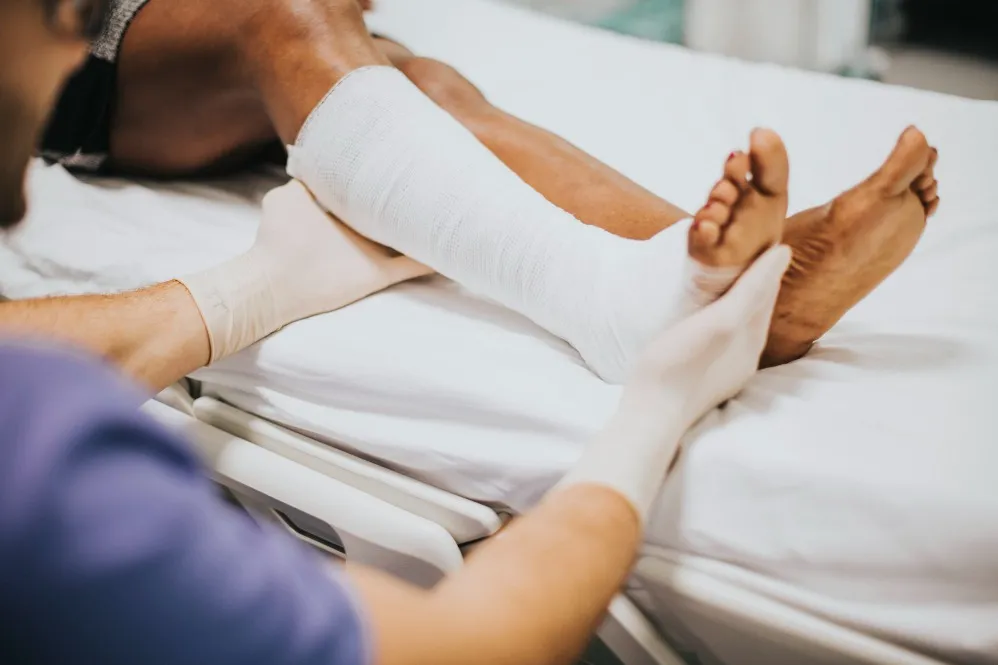
A broken bone can disrupt everyday life in many ways. Whether it happens during a road accident, a fall at home, a workplace incident, or while playing sports, a fracture requires timely medical attention to heal properly. Modern bone fracture treatment in Pimpri-Chinchwad focuses not only on repairing the bone but also on restoring strength, movement, and overall function so patients can return to their normal activities with confidence.
Fractures vary widely in severity. Some heal well with immobilization, while others require advanced surgical procedures. Understanding how fractures are diagnosed and treated can help patients make informed decisions and avoid complications that may delay recovery.
What Is a Bone Fracture?
A fracture occurs when a bone cracks or breaks because the force applied exceeds its strength. Although fractures are commonly associated with accidents, they can also result from weakened bones due to age or certain medical conditions.
Some of the most common causes include:
- Road traffic accidents
- Slips and falls
- Sports injuries
- Workplace accidents
- Direct impact during physical activities
- Osteoporosis-related injuries in older adults
Regardless of the cause, every fracture deserves careful evaluation because even seemingly minor injuries can involve nearby joints, muscles, nerves, or blood vessels.
Different Types of Bone Fractures
Not every fracture is the same. Identifying the fracture type helps determine the most suitable treatment approach.
Some commonly diagnosed fractures include:
Closed Fracture
The bone is broken, but the skin remains intact.
Open Fracture
The broken bone pierces the skin, increasing the risk of infection and requiring urgent medical care.
Displaced Fracture
The broken bone fragments have moved out of their normal position and often require realignment.
Hairline Fracture
A small crack in the bone that may not cause immediate severe symptoms but still requires proper management.
Comminuted Fracture
The bone breaks into multiple fragments, often following high-impact injuries.
Each type presents different challenges, making accurate diagnosis an essential first step.
Symptoms That Should Prompt Medical Evaluation
Some fractures are obvious, while others can resemble severe sprains or soft tissue injuries.
Common warning signs include:
- Sharp pain after an injury
- Swelling
- Bruising
- Difficulty moving the affected limb
- Inability to bear weight
- Visible deformity
- Tenderness over the injured area
Ignoring these symptoms or attempting self-treatment may increase the risk of improper healing.
How Fractures Are Diagnosed
A detailed assessment allows the treating doctor to understand the extent of the injury before recommending treatment.
The evaluation generally includes:
- Reviewing how the injury occurred
- Physical examination
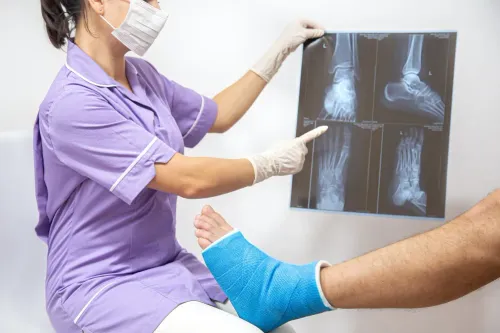
- X-rays to confirm the fracture
- CT scans for complex fractures involving joints
- MRI scans when ligament or cartilage injuries are suspected
Comprehensive imaging helps identify associated injuries that might otherwise remain unnoticed.
Treatment Depends on the Fracture Pattern
One of the biggest misconceptions is that surgery is necessary for every fracture. In reality, treatment depends on several factors, including the location of the fracture, its severity, patient age, activity level, and general health.
Non-Surgical Treatment
Stable fractures often heal successfully with conservative management, including:
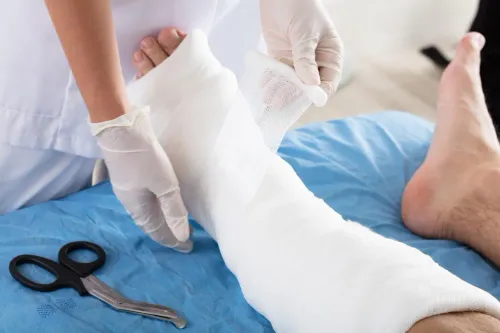
- Plaster casts
- Splints
- Functional braces
- Activity modification
- Regular follow-up imaging
These methods allow the bone to heal naturally while maintaining proper alignment.
Surgical Treatment
Some fractures require surgery to restore stability and improve healing.
Common surgical options include:
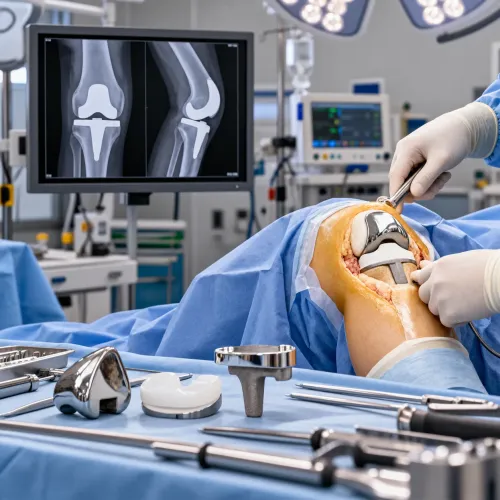
- Internal fixation using plates and screws
- Intramedullary nails
- External fixation for complex injuries
- Joint reconstruction in selected cases
The objective is to restore normal anatomy while encouraging early and safe movement whenever appropriate.
Why Follow-Up Care Matters
Healing does not end once the fracture is stabilized. Regular follow-up appointments help monitor progress and ensure the bone is healing correctly.
During follow-up visits, doctors may assess:
- Bone alignment
- Healing progression on imaging
- Pain levels
- Joint mobility
- Functional recovery
If adjustments to rehabilitation are needed, they can be introduced early to support better outcomes.
The Importance of Physiotherapy
Once the fracture begins to heal, rehabilitation becomes a key part of recovery. Prolonged immobilization can lead to muscle weakness and joint stiffness if movement is not restored gradually.
Physiotherapy may help patients:
- Improve flexibility
- Restore muscle strength
- Enhance balance and coordination
- Reduce stiffness
- Return safely to work, sports, or daily activities
A structured rehabilitation program supports both short-term recovery and long-term joint function.
Preventing Future Fractures
Although not every fracture can be prevented, certain measures can reduce the risk of injury.
Helpful habits include:
- Maintaining good bone health through proper nutrition
- Staying physically active to improve strength and balance
- Using protective equipment during sports
- Following workplace safety practices
- Addressing osteoporosis in older adults through appropriate medical guidance
These preventive steps are especially valuable for individuals at higher risk of falls or repeat injuries.
Access to Comprehensive Fracture Care
Residents of Pimpri-Chinchwad, Moshi, and nearby areas benefit from access to modern orthopaedic services that combine advanced diagnostics, evidence-based treatment, and rehabilitation under one roof. Choosing timely medical evaluation after an injury can help reduce complications and improve the chances of a full recovery.
Anand Orthopaedic Hospital offers comprehensive fracture management for patients with simple and complex bone injuries. By combining clinical expertise with individualized treatment planning, the hospital supports patients throughout every stage of recovery. Additional information about orthopaedic services and patient education is available through drniranjanganjewar.com, helping individuals understand their treatment options and make informed healthcare decisions.
Keywords