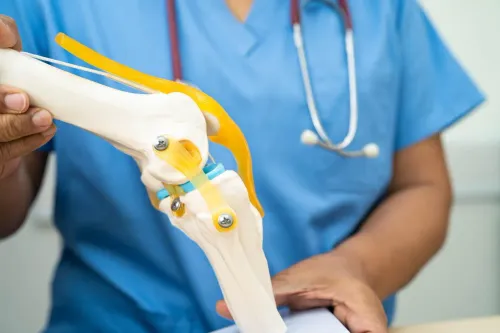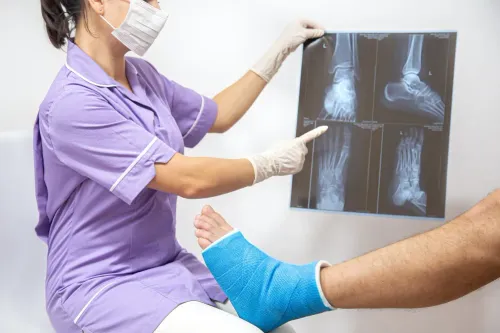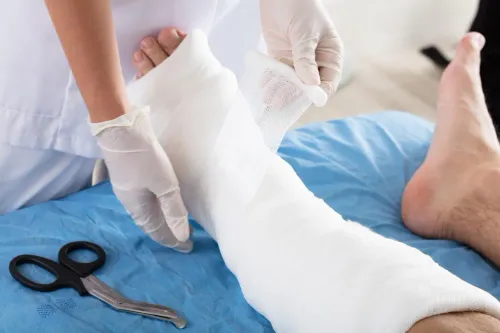
Joint pain that refuses to improve with rest or physiotherapy can affect every part of daily life. Climbing stairs, playing sports, driving, or even walking comfortably may become difficult when the knee, shoulder, ankle, or other joints are injured. In many cases, advanced imaging reveals problems involving ligaments, cartilage, or the meniscus that cannot heal on their own. Consulting an arthroscopy specialist in Pimpri-Chinchwad allows patients to understand whether minimally invasive surgery is an appropriate treatment option.
Arthroscopy has transformed the way many orthopaedic conditions are diagnosed and treated. Instead of making large surgical incisions, the procedure uses a tiny camera and specialized instruments to examine and repair the inside of a joint. This approach often results in less tissue disruption while helping surgeons perform highly precise procedures.
What Is Arthroscopy?
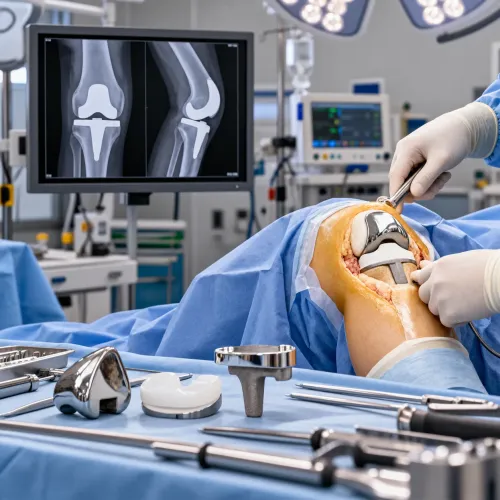
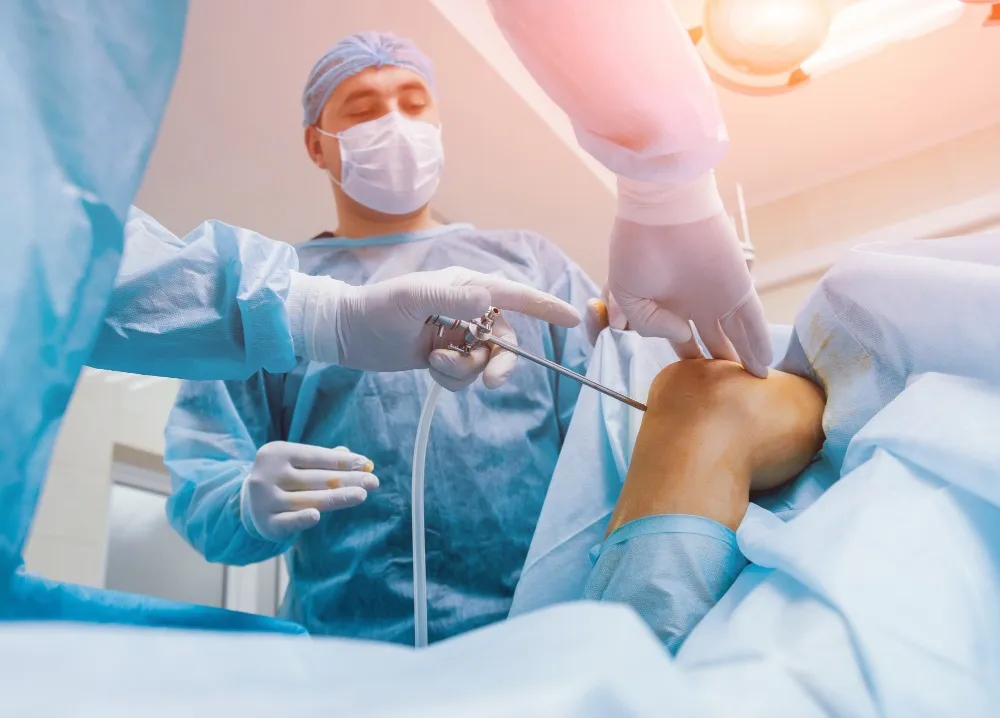
Arthroscopy is a minimally invasive orthopaedic procedure used to diagnose and treat problems inside a joint. A small camera called an arthroscope is inserted through tiny incisions, allowing the surgeon to view the joint on a monitor in real time.
Depending on the condition, additional small instruments may be used to repair damaged structures without the need for traditional open surgery.
Arthroscopy is commonly performed for:
- Knee injuries
- Shoulder conditions
- Ankle injuries
- Elbow disorders
- Wrist problems in selected cases
The exact procedure depends on the affected joint and the nature of the injury.
When Is Arthroscopy Recommended?
Not every joint problem requires surgery. Many patients improve with medication, physiotherapy, or activity modification. Arthroscopy is generally considered when symptoms continue despite appropriate conservative treatment or when imaging confirms a condition that is unlikely to heal without intervention.
Conditions commonly treated through arthroscopy include:
- Meniscus tears
- Anterior cruciate ligament (ACL) injuries
- Cartilage damage
- Shoulder instability
- Rotator cuff problems
- Loose bone or cartilage fragments
- Joint inflammation requiring surgical management
A detailed clinical assessment helps determine whether arthroscopy is the most suitable option.
Symptoms That May Require Specialist Evaluation
Persistent joint symptoms should not be ignored, particularly if they interfere with everyday activities.
Consult an orthopaedic specialist if you experience:
- Joint pain lasting several weeks
- Recurrent swelling
- Locking or catching of the joint
- Clicking associated with pain
- Instability while walking
- Difficulty bending or straightening the joint
- Reduced range of movement
- Repeated sports injuries
Early diagnosis often prevents additional joint damage and supports better recovery.
How Arthroscopic Conditions Are Diagnosed
Before recommending arthroscopy, doctors perform a detailed evaluation to understand the cause of symptoms.
Assessment generally includes:
- Medical history
- Physical examination
- Functional assessment of the affected joint
- Digital X-rays
- MRI scans to evaluate ligaments, cartilage, and soft tissues
The decision for surgery is based on the patient's symptoms, examination findings, and imaging results together.
Advantages of Arthroscopy
Compared with traditional open procedures, arthroscopy offers several potential benefits for appropriately selected patients.
These may include:
- Smaller surgical incisions
- Better visualization of joint structures
- Reduced damage to surrounding tissues
- Lower postoperative discomfort in many cases
- Earlier rehabilitation
- Shorter hospital stay for many procedures
- Faster return to routine activities, depending on the condition
Recovery timelines vary according to the type of injury and the procedure performed.
What Happens After Arthroscopy?
Rehabilitation is a vital part of successful recovery.
Depending on the procedure, recovery may include:
- Pain management
- Controlled joint movement
- Physiotherapy
- Muscle strengthening
- Balance training
- Sport-specific rehabilitation where appropriate
Patients who actively participate in rehabilitation often achieve better functional outcomes than those relying solely on surgery.
Can Every Sports Injury Be Treated Arthroscopically?
Not always. The most appropriate treatment depends on:
- Type of injury
- Severity of damage
- Age of the patient
- Activity level
- Overall joint health
- Functional goals
Some injuries respond well to conservative care, while others benefit from arthroscopic repair. A specialist determines the most suitable approach after a thorough evaluation.
Protecting Joint Health After Recovery
Successful treatment should be followed by measures that reduce the risk of future injuries.
Helpful strategies include:
- Maintaining muscle strength
- Performing regular stretching exercises
- Warming up before sports
- Using proper exercise techniques
- Avoiding sudden increases in physical activity
- Following rehabilitation instructions completely
These habits support long-term joint function and help reduce the likelihood of recurring problems.
Choosing the Right Arthroscopy Specialist
When considering arthroscopic treatment, patients may look for:
- Experience in minimally invasive orthopaedic procedures
- Access to advanced diagnostic imaging
- Comprehensive rehabilitation services
- Personalized treatment planning
- Long-term follow-up care
A multidisciplinary approach allows patients to receive coordinated care from diagnosis through recovery.
Supporting Better Joint Function Through Advanced Orthopaedic Care
Persistent joint pain should not prevent individuals from leading an active lifestyle. Early diagnosis and appropriate treatment help protect joint function and improve long-term mobility.
For residents of Pimpri-Chinchwad, Moshi, Pune, and nearby areas, access to advanced arthroscopic services allows many joint conditions to be managed using minimally invasive techniques when appropriate. Anand Orthopaedic Hospital provides evaluation and treatment for sports injuries, ligament tears, cartilage damage, and various joint disorders through evidence-based orthopaedic care. Educational resources available on drniranjanganjewar.com further help patients understand their diagnosis, treatment options, and the importance of rehabilitation in achieving a successful recovery.
Keywords