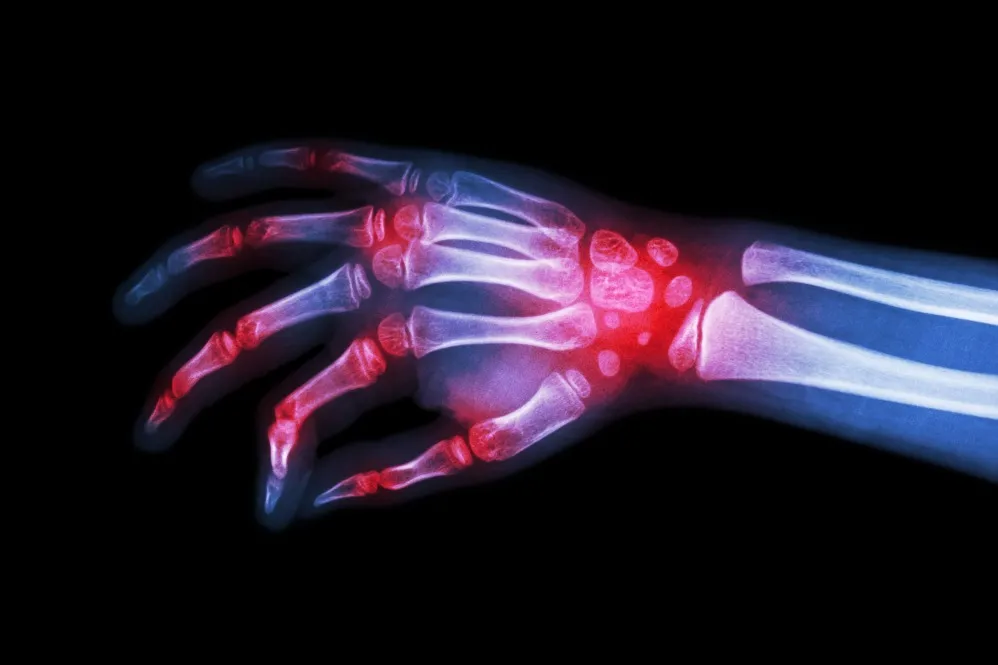
Arthritis can range from mild stiffness that causes little disruption to severe joint disease that makes everyday movement difficult. Because the condition progresses differently from one person to another, advanced arthritis management should be based on symptoms, joint damage, functional limitations, and overall health rather than relying on one standard treatment.
For patients in Pimpri-Chinchwad, recognising the signs that arthritis needs specialist assessment can help them seek appropriate care before mobility becomes severely restricted.
Sign 1: Pain Is Affecting Daily Activities
Joint discomfort becomes more significant when it begins changing normal behaviour.
Patients may stop:
- Taking walks
- Using stairs
- Shopping independently
- Participating in social activities
- Exercising
- Performing household work
Gradually reducing activity can also lead to muscle weakness, which may further affect mobility.
Sign 2: Stiffness Is Becoming Persistent
Arthritic joints can become stiff after rest or prolonged sitting.
As disease advances, reduced movement may become more noticeable and interfere with simple activities such as getting out of a chair or bending the knee.
A physical examination can assess both movement restriction and deformity.
Sign 3: Medication Is Becoming the Only Strategy
Pain medication may form part of arthritis care, but repeatedly relying on medication without reviewing the underlying condition is not a complete management plan.
Treatment may also need to address:
- Muscle strength
- Body weight where relevant
- Joint loading
- Mobility
- Activity patterns
- Walking support
- Structural disease severity
Medication decisions should be made with appropriate medical guidance, particularly for patients with other health conditions.
Sign 4: The Joint Is Changing Shape
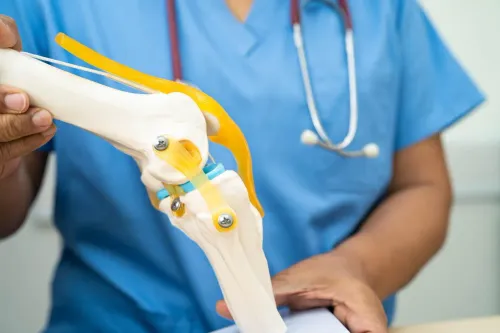
Advanced arthritis can cause visible deformity, particularly around weight-bearing joints such as the knee.
Progressive bowing, altered walking, or reduced joint alignment can indicate significant structural changes.
Imaging can help determine how much joint degeneration is present.
Sign 5: Conservative Treatment Is No Longer Enough
Non-operative treatment remains valuable for many patients.
Depending on the joint and diagnosis, management can include:
- Physiotherapy
- Strengthening
- Weight management
- Activity modification
- Medication
- Walking aids
- Selected injections where appropriate
If substantial pain and disability continue despite suitable treatment, further options can be discussed.
When Is Joint Replacement Considered?
Replacement surgery is generally considered for selected patients with advanced joint damage and significant functional impairment.
The decision is based on more than an X-ray.
An orthopaedic surgeon considers:
- Severity of symptoms
- Level of disability
- Imaging findings
- Previous treatment
- General medical condition
- Patient expectations
Some people with significant X-ray changes function reasonably well and may not require immediate surgery. Others experience major limitations that warrant a surgical discussion.
What Does a Good Arthritis Assessment Include?
Patients preparing for evaluation can bring previous X-rays and treatment records.
The consultation should explore which activities are limited, how long symptoms have been present, what treatments have been tried, and whether pain occurs during activity, rest, or sleep.
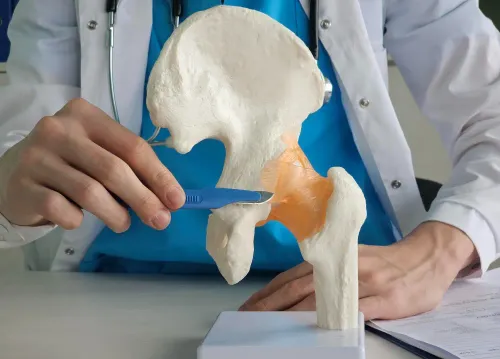
Anand Orthopaedic Hospital provides orthopaedic assessment for patients in Pimpri-Chinchwad with knee, hip, and other joint problems. Management can range from conservative treatment and rehabilitation to surgical evaluation where clinically appropriate.
Advanced arthritis care should focus on maintaining useful function for as long as possible while recognising when the balance between symptoms, disability, and structural damage has changed. Specialist evaluation becomes particularly useful when pain is persistent, movement is decreasing, deformity is developing, or everyday independence is being affected.
Keywords