Hip pain can gradually affect nearly every aspect of daily life. Walking short distances becomes difficult, climbing stairs may feel exhausting, and even simple activities such as sitting, standing, or sleeping comfortably can become challenging. While medications, physiotherapy, and lifestyle modifications often provide relief during the early stages of joint disease, there are situations where consulting a total hip replacement specialist in Moshi becomes an important step toward restoring mobility and improving overall quality of life.
Advances in orthopaedic surgery have made total hip replacement one of the most successful procedures for patients with severe hip joint damage. However, surgery is not the first option for everyone. Understanding when hip replacement is recommended, what the procedure involves, and how recovery progresses helps patients make informed healthcare decisions.
What Is Total Hip Replacement?
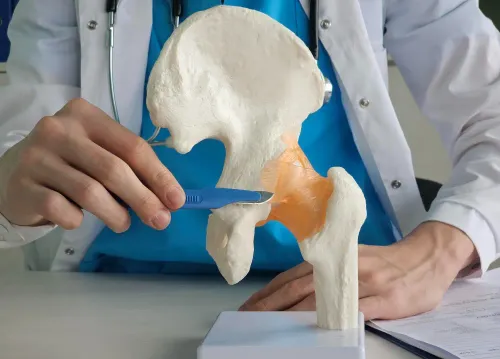
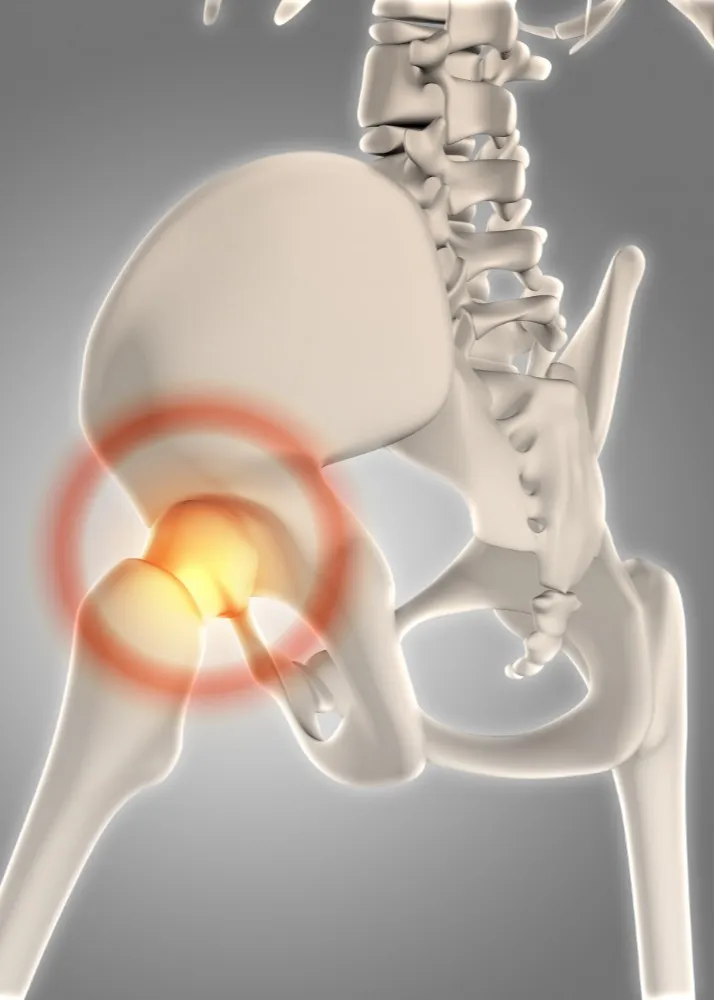
The hip is a ball-and-socket joint that allows smooth movement while supporting the body's weight. Over time, arthritis, injuries, or certain medical conditions can damage the cartilage that cushions the joint. As the cartilage wears away, the bones begin to rub against each other, causing pain, stiffness, and reduced mobility.
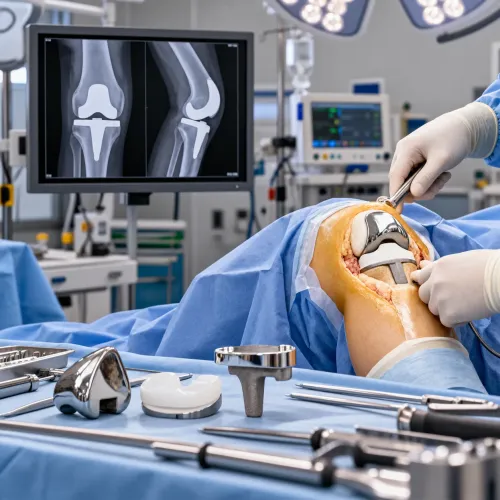
A total hip replacement involves replacing the damaged portions of the hip joint with specially designed artificial components. The goal is to reduce pain, restore joint function, and improve movement after conservative treatments are no longer effective.
Conditions That May Require Hip Replacement
Several orthopaedic conditions can lead to severe hip damage.
Some of the most common include:
- Osteoarthritis
- Rheumatoid arthritis
- Hip fractures involving joint damage
- Avascular necrosis
- Post-traumatic arthritis
- Congenital hip deformities
- Severe cartilage degeneration
Not every patient with these conditions requires surgery. The decision depends on symptoms, imaging findings, and how significantly the condition affects daily life.
Signs It May Be Time to Consult a Specialist
Many people adapt to chronic hip pain for years without realizing effective treatment options are available.
An orthopaedic evaluation is advisable if you experience:
- Persistent hip pain despite medication
- Difficulty walking or climbing stairs
- Pain while resting or sleeping
- Stiffness that limits daily movement
- Reduced range of motion
- Limping while walking
- Difficulty getting in or out of a chair
- Pain that interferes with work or household activities
Early evaluation provides an opportunity to discuss both non-surgical and surgical treatment options.
How Doctors Determine Whether Surgery Is Needed
Hip replacement is recommended only after a detailed clinical assessment.
The evaluation generally includes:
- Review of medical history
- Physical examination
- Assessment of walking pattern and joint movement
- X-rays of the hip joint
- Additional imaging if required
- Evaluation of general health and fitness for surgery
The decision is based on the patient's symptoms, functional limitations, and imaging findings rather than X-rays alone.
Non-Surgical Treatment Options
Before recommending surgery, doctors often advise conservative treatment whenever appropriate.
These options may include:
- Physiotherapy
- Activity modification
- Weight management
- Walking aids when required
- Doctor-prescribed medication
- Muscle strengthening exercises
Many patients experience meaningful symptom relief through these approaches, particularly during the earlier stages of joint disease.
Benefits of Total Hip Replacement
For appropriately selected patients, total hip replacement can offer several important functional benefits.
Potential advantages include:
- Relief from chronic hip pain
- Improved walking ability
- Better joint movement
- Increased independence in daily activities
- Enhanced overall mobility
- Improved quality of life
Individual outcomes vary depending on the patient's age, overall health, rehabilitation participation, and the condition of the joint before surgery.
Recovery After Hip Replacement
Recovery is a gradual process that combines surgical healing with structured rehabilitation.
Patients typically progress through:
- Early assisted walking
- Physiotherapy exercises
- Muscle strengthening
- Balance and coordination training
- Gait correction
- Gradual return to routine activities
Following rehabilitation instructions consistently plays a significant role in achieving good long-term outcomes.
Frequently Asked Questions
Is hip replacement only for elderly patients?
No. Although many older adults undergo hip replacement, younger patients with significant joint damage or certain medical conditions may also benefit after careful evaluation.
How long does recovery take?
Basic mobility often improves within the first few weeks, while complete recovery may continue over several months depending on individual progress and rehabilitation.
Will I be able to return to normal activities?
Many patients return to routine daily activities after recovery. The timeline depends on overall health, fitness, and adherence to physiotherapy.
How long do hip implants last?
Modern hip implants are designed for long-term performance, although their lifespan varies based on factors such as activity level, body weight, implant type, and overall health.
Choosing a Hospital for Hip Replacement
When considering hip replacement surgery, patients may look for:
- Experienced orthopaedic surgeons
- Comprehensive diagnostic facilities
- Personalized treatment planning
- Advanced surgical techniques
- Structured physiotherapy services
- Long-term follow-up care
A coordinated care pathway supports smoother recovery from diagnosis through rehabilitation.
Restoring Movement Through Comprehensive Orthopaedic Care
Chronic hip pain does not have to become a permanent limitation. Understanding the available treatment options allows patients to seek appropriate care before joint damage significantly affects their independence and quality of life.
For residents of Moshi, Pune, PCMC, and surrounding areas, access to specialized orthopaedic services supports accurate diagnosis and individualized treatment planning for hip disorders. Anand Orthopaedic Hospital provides comprehensive care for arthritis, hip injuries, fractures, and joint replacement procedures through evidence-based orthopaedic practice. Information shared through drniranjanganjewar.com also helps patients better understand their condition, prepare for treatment, and actively participate in their recovery journey.
Keywords