Neck and back pain are among the most common reasons people visit an orthopaedic specialist. A long day at a computer, lifting heavy objects incorrectly, a sudden twist, or even poor sleeping posture can trigger discomfort. While many cases improve with rest, persistent or recurring pain should not be ignored. Consulting a neck and back pain specialist in Moshi can help identify the underlying cause and prevent minor problems from developing into long-term conditions.
Many people rely on pain balms, over-the-counter medication, or prolonged bed rest whenever discomfort appears. Although these measures may provide temporary relief, they often do not address the actual reason behind the pain. Understanding why neck and back pain occur is the first step toward effective treatment and long-term spinal health.
Why Neck and Back Pain Develops
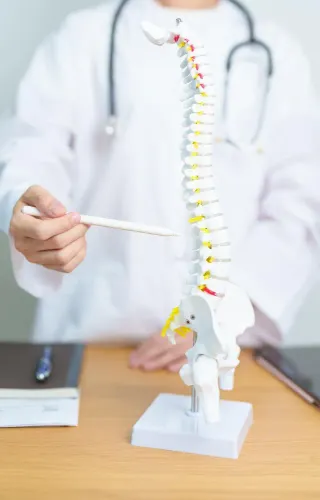
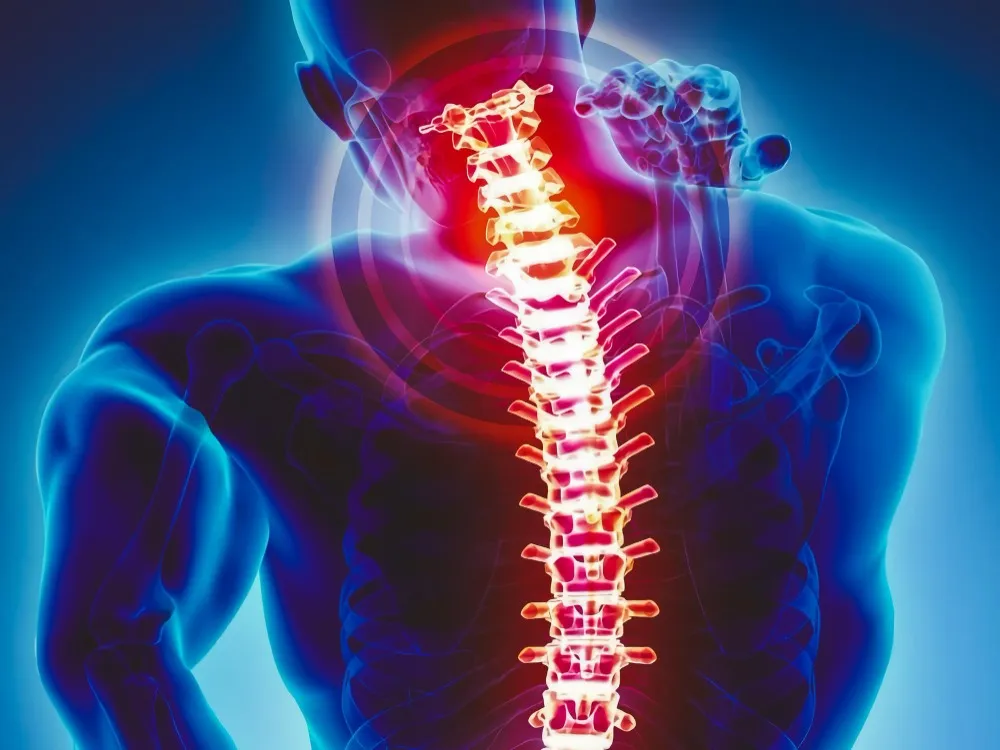
The spine is designed to provide stability while allowing flexibility for everyday movements. It consists of vertebrae, intervertebral discs, muscles, ligaments, and nerves that work together to support posture and movement.
Pain can occur when any of these structures become injured, inflamed, or undergo age-related changes.
Common causes include:
- Poor posture while working
- Long hours of sitting
- Muscle strain
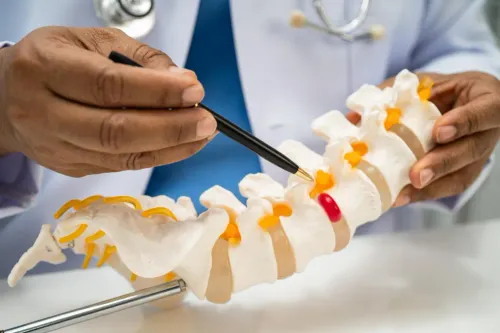
- Herniated or slipped discs
- Arthritis affecting the spine
- Sports injuries
- Road traffic accidents
- Degenerative spinal conditions
- Osteoporosis-related changes
Because different conditions produce similar symptoms, professional evaluation is important before beginning treatment.
Signs That Indicate Medical Evaluation Is Needed
Occasional stiffness after physical activity usually improves within a few days. However, certain symptoms suggest that further assessment is necessary.
Seek medical advice if you experience:
- Pain lasting more than two weeks
- Neck pain associated with headaches
- Pain spreading into the arms or legs
- Numbness or tingling
- Muscle weakness
- Difficulty walking or maintaining balance
- Pain that interrupts sleep
- Reduced range of motion in the neck or back
Ignoring these symptoms may allow underlying spinal conditions to progress.
How Specialists Identify the Cause
Successful treatment begins with an accurate diagnosis rather than simply treating symptoms.
A detailed evaluation generally includes:
- Discussion about symptoms and lifestyle
- Physical examination
- Assessment of posture and spinal movement
- Neurological examination
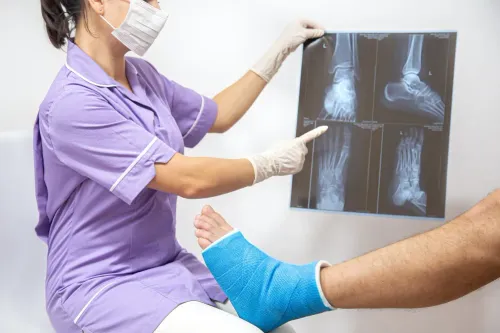
- X-rays when bone-related conditions are suspected
- MRI scans if disc or nerve problems are likely
These investigations help determine whether pain originates from muscles, joints, discs, or nerve compression.
Treatment Is Often Non-Surgical
Many patients are surprised to learn that most neck and back pain can be managed without surgery. Conservative treatment remains the preferred option for many spinal conditions.
Treatment plans may include:
- Activity modification
- Prescription medication when appropriate
- Physiotherapy
- Stretching exercises
- Core strengthening
- Posture correction
- Ergonomic workplace improvements
The treatment approach depends on the diagnosis, severity of symptoms, and the patient's daily activities.
When Surgery May Be Necessary
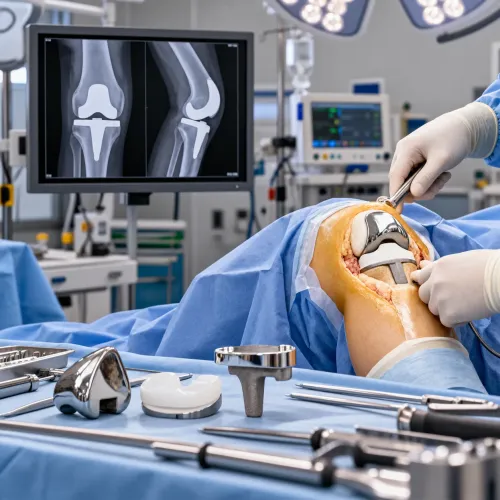
Although surgery is not required for most cases, it may be recommended when structural problems significantly affect spinal function.
Situations where surgery may be considered include:
- Severe nerve compression
- Progressive muscle weakness
- Persistent pain despite conservative treatment
- Certain spinal fractures
- Structural deformities
- Significant spinal instability
The decision is individualized and based on clinical findings together with imaging results.
Lifestyle Habits That Support a Healthy Spine
Small changes in everyday habits can reduce strain on the neck and back while lowering the risk of future episodes.
Helpful practices include:
- Maintaining good posture while sitting
- Positioning computer screens at eye level
- Taking movement breaks every 30–45 minutes
- Using proper lifting techniques
- Sleeping on a supportive mattress
- Exercising regularly
- Maintaining a healthy body weight
These measures support spinal health and complement medical treatment.
The Role of Physiotherapy
Rehabilitation is an essential part of recovery for many spinal conditions.
A physiotherapy program may help:
- Improve flexibility
- Increase muscle strength
- Restore normal movement
- Improve posture
- Reduce stiffness
- Prevent recurring pain
Patients who remain active under professional guidance often recover more effectively than those relying solely on prolonged rest.
Preventing Neck and Back Problems
Although not every spinal condition can be prevented, many are influenced by lifestyle choices.
You can reduce your risk by:
- Staying physically active
- Performing regular stretching exercises
- Avoiding prolonged sitting
- Maintaining proper workstation ergonomics
- Using correct techniques while lifting heavy objects
- Managing stress, which can contribute to muscle tension
These simple habits promote better spinal health over time.
A Comprehensive Approach to Spine Care
Persistent neck or back pain should not be considered a normal part of ageing or work life. Early diagnosis often provides more treatment options and can help patients return to their normal routine with greater comfort and confidence.
For residents of Moshi, Pune, and Pimpri-Chinchwad, access to comprehensive orthopaedic evaluation allows spinal conditions to be diagnosed accurately and treated using evidence-based methods. Anand Orthopaedic Hospital provides assessment and management for a wide range of neck, back, and spine-related disorders, combining clinical expertise with personalized treatment plans. Through educational information available on drniranjanganjewar.com, the hospital encourages patients to understand their condition, participate actively in recovery, and make informed decisions that support long-term musculoskeletal health.
Keywords