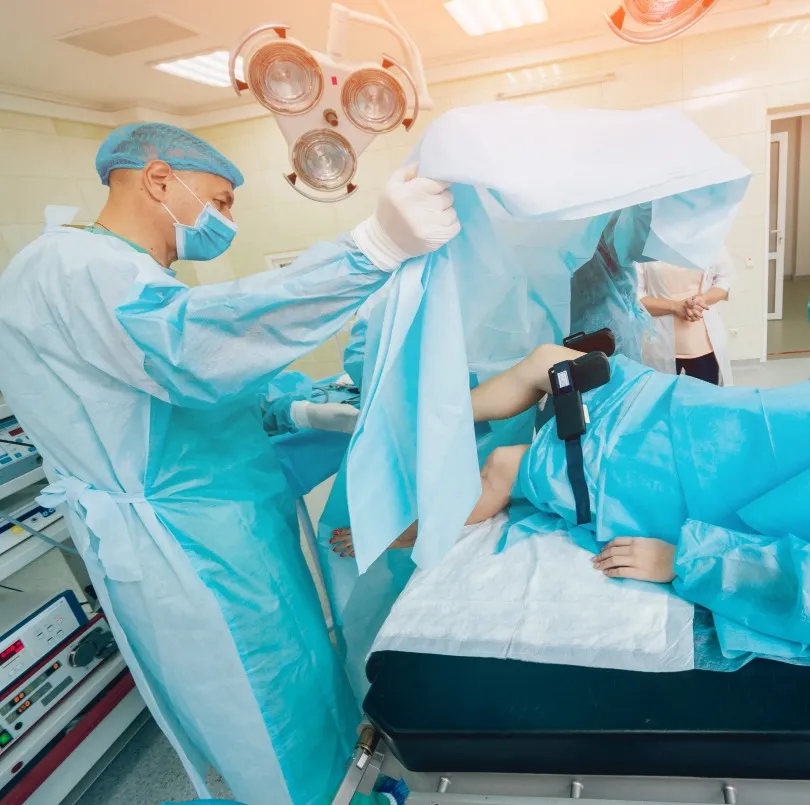
An accident can happen at any time, whether it is a road collision, a fall at home, a workplace injury, or a sports-related incident. In these situations, receiving the right medical care quickly can influence not only how well an injury heals but also how soon a person regains normal movement and independence. Choosing an advanced trauma care hospital in Moshi means accessing coordinated medical care that focuses on accurate diagnosis, timely treatment, and structured rehabilitation under one roof.
Trauma care has evolved significantly over the years. Modern orthopaedic hospitals do much more than treat broken bones. They assess the entire injury, identify associated damage to joints, ligaments, muscles, nerves, and blood vessels, and create a personalized treatment plan based on the patient's overall condition. For residents of Moshi, Pune, and Pimpri-Chinchwad, understanding what advanced trauma care involves can help them make informed decisions during medical emergencies.
What Is Advanced Trauma Care?
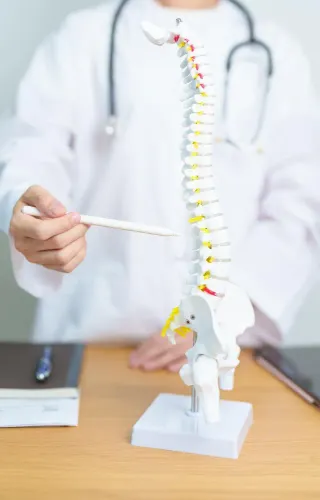
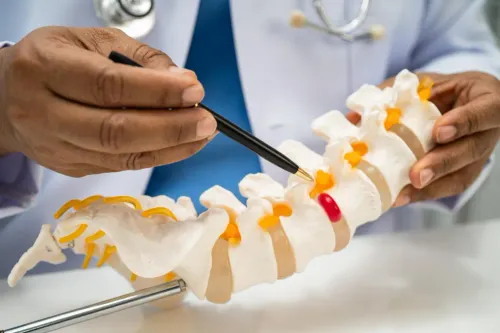
Trauma care refers to the specialized management of injuries caused by sudden physical force. These injuries often affect the musculoskeletal system, including bones, joints, tendons, ligaments, and the spine. Advanced trauma care combines emergency assessment, diagnostic imaging, surgical expertise, and rehabilitation to improve patient outcomes.
Unlike basic fracture management, advanced trauma services focus on treating both visible injuries and hidden complications that may develop after severe accidents.
Patients commonly require trauma care following:
- Road traffic accidents
- Falls from height
- Workplace and industrial injuries
- Sports injuries
- Crush injuries
- Multiple fractures caused by high-impact trauma
Each case is carefully evaluated because no two trauma patients have exactly the same injury pattern.
Why Early Trauma Care Matters
The first few hours after an accident are often critical. Prompt medical attention helps reduce complications and improves the chances of successful recovery.
Early trauma management offers several advantages:
- Stabilizes fractures before further damage occurs
- Reduces the risk of infection in open injuries
- Helps preserve nearby muscles, nerves, and blood vessels
- Improves bone alignment for better healing
- Allows faster planning for rehabilitation
Even when pain appears manageable, underlying fractures or ligament injuries may become more serious if treatment is delayed.
Comprehensive Assessment After an Accident
Accurate diagnosis forms the foundation of successful trauma treatment. Doctors begin by understanding how the injury occurred because the mechanism of injury often indicates which structures may be affected.
The evaluation typically includes:
- A detailed medical history
- Physical examination
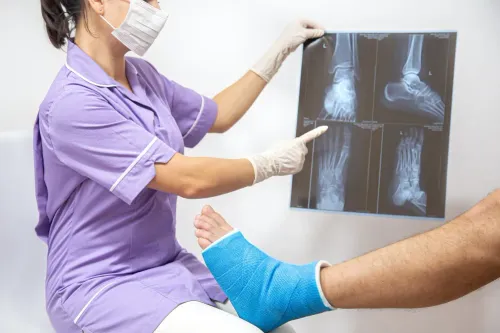
- Digital X-rays
- CT scans for complex fractures
- MRI scans when soft tissue or spinal injuries are suspected
Advanced imaging helps identify injuries that may not be immediately visible during a physical examination.
Modern Treatment Options for Trauma Patients
Treatment depends on several factors, including the location of the injury, fracture pattern, age, activity level, and overall health of the patient.
Non-Surgical Treatment
Certain stable fractures can heal effectively through conservative care, which may include:
- Casts
- Splints
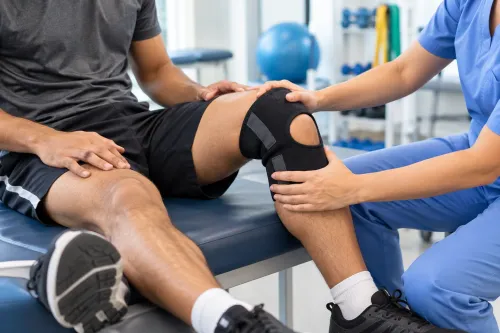
- Functional braces
- Pain management
- Activity modification
- Regular follow-up imaging
Many uncomplicated fractures recover successfully without surgery when properly monitored.
Surgical Management
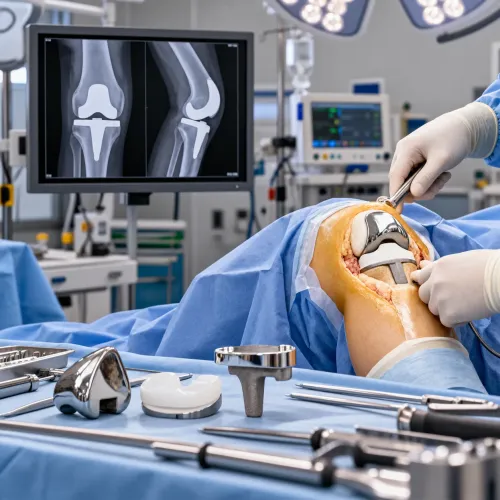
Complex injuries often require surgical intervention to restore stability and function.
Procedures may involve:
- Plate and screw fixation
- Intramedullary nailing
- External fixation devices
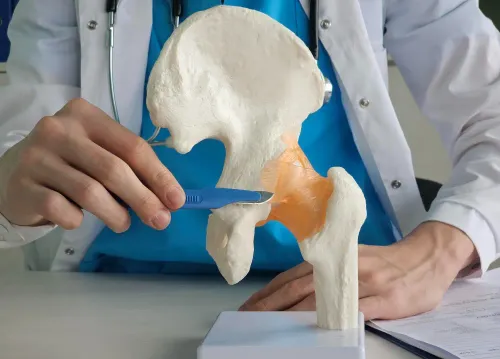
- Joint reconstruction
- Ligament repair
- Treatment of multiple fractures during the same surgical plan
The objective is to restore the injured area as close as possible to its normal anatomy while promoting safe healing.
Trauma Care Goes Beyond Surgery
Successful trauma care continues long after the initial procedure or fracture stabilization. Rehabilitation plays an equally important role in helping patients return to everyday activities.
Recovery programs often include:
- Physiotherapy
- Muscle strengthening exercises
- Joint mobility training
- Balance improvement
- Walking rehabilitation
- Functional recovery exercises
Individual rehabilitation plans are adjusted according to each patient's injury and recovery progress.
Features of a Comprehensive Trauma Hospital
When evaluating a hospital for accident-related orthopaedic care, several factors contribute to effective treatment.
These include:
- Emergency orthopaedic assessment
- Experienced trauma specialists
- Advanced diagnostic imaging
- Modern operation theatres
- Coordinated rehabilitation services
- Personalized follow-up care
A multidisciplinary approach ensures patients receive consistent care throughout every stage of recovery.
Common Questions Patients Ask
Can every fracture be treated without surgery?
No. Some fractures heal well with casts or braces, while others require surgery to restore proper alignment and stability.
How long does fracture healing usually take?
Healing varies depending on the patient's age, overall health, fracture type, and treatment method. Recovery may range from several weeks to a few months, with rehabilitation continuing beyond bone healing.
Is physiotherapy always necessary?
Many patients benefit from physiotherapy because prolonged immobilization can lead to muscle weakness, reduced flexibility, and joint stiffness. Rehabilitation helps restore movement safely.
Can delayed treatment affect recovery?
Yes. Delaying medical evaluation may increase the risk of improper bone healing, chronic pain, joint stiffness, and reduced function.
Supporting Safe Recovery After Trauma
Traumatic injuries often affect more than a single bone or joint. A coordinated treatment approach that includes emergency care, accurate diagnosis, individualized treatment, and rehabilitation provides patients with the best opportunity for functional recovery.
For people living in Moshi, Pune, and Pimpri-Chinchwad, having access to comprehensive orthopaedic trauma services can make a meaningful difference following an accident. Anand Orthopaedic Hospital provides integrated trauma and orthopaedic care for patients with fractures, joint injuries, spine-related trauma, and other musculoskeletal emergencies. Through patient education available on drniranjanganjewar.com and evidence-based treatment planning, the hospital focuses on helping individuals recover safely while restoring mobility, comfort, and confidence in their daily lives.
Keywords