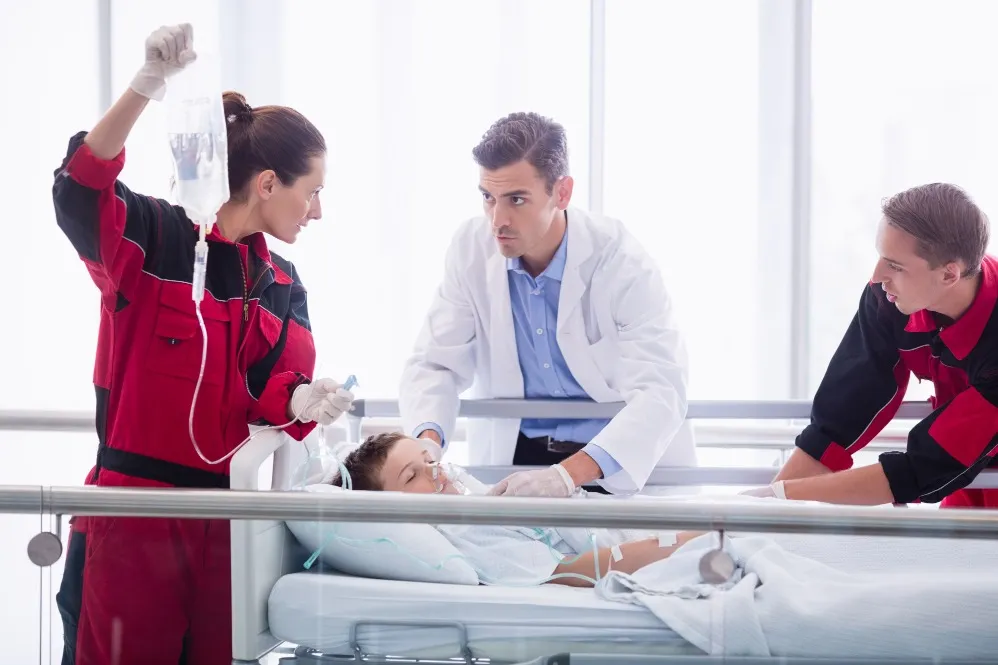
The first few hours following a major accident can involve several decisions at once. A patient may have obvious wounds while also having fractures, joint injuries, internal trauma, or damage that is not immediately visible. Emergency accident trauma care focuses on identifying urgent problems, stabilising the patient, and determining which injuries require immediate treatment.
In busy areas of Pimpri-Chinchwad, where road and occupational injuries can occur without warning, knowing what to do immediately after significant trauma can help patients and families respond more appropriately.
What Should You Do Immediately After an Accident?
Safety comes first. If the accident has occurred on a road or around machinery, further injury should be prevented before moving the patient whenever possible.
For significant trauma:
- Arrange emergency medical assistance.
- Avoid unnecessary movement if a neck, spine, hip, or major limb injury is suspected.
- Control visible bleeding with appropriate pressure where possible.
- Do not attempt to straighten a deformed limb.
- Keep the injured person under observation until professional help arrives.
A person who appears alert may still have a significant injury.
Which Injuries Need Urgent Attention?
Accidents can cause multiple musculoskeletal injuries simultaneously.
These may include:
- Long-bone fractures
- Pelvic injuries
- Shoulder or hip dislocation
- Open fractures
- Crush injuries
- Spine trauma
- Tendon or ligament damage
- Severe soft-tissue injuries
- Multiple fractures
High-energy accidents can also affect the head, chest, abdomen, or other organs, requiring multidisciplinary emergency assessment.
Why Trauma Assessment Is Systematic
Emergency treatment is not based solely on whichever injury looks most painful.
Medical teams first consider potentially serious problems and assess the patient's overall condition. Once immediate threats are addressed, detailed evaluation of the bones, joints, and soft tissues can follow.
Imaging may include X-rays and, when clinically indicated, CT scans, MRI, or other investigations.
This systematic process helps avoid focusing on an obvious fracture while overlooking another important injury.
What Happens When a Fracture Is Identified?
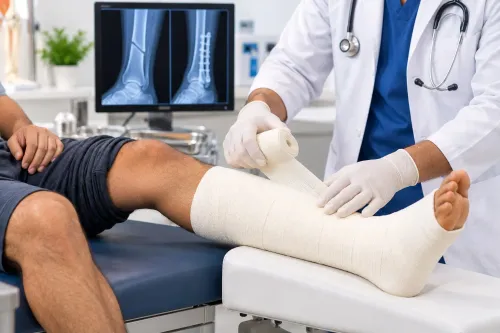
Initial fracture management may involve pain control, wound care, temporary splinting, or reduction depending on the injury.
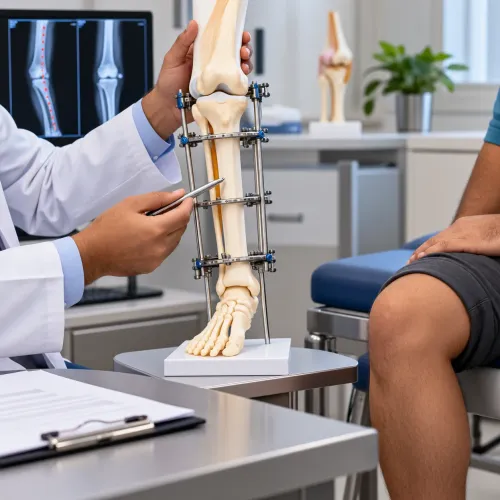
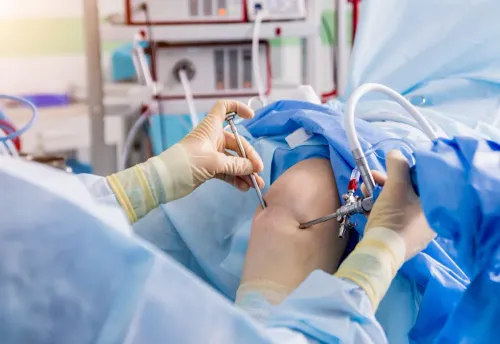
The orthopaedic team then determines whether definitive management should be conservative or surgical.
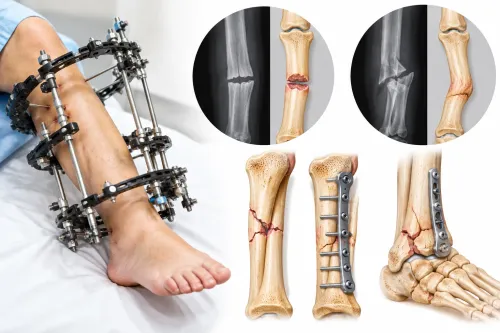
Surgery may be considered for situations such as:
- Unstable fractures
- Significantly displaced fractures
- Open fractures
- Multiple bone fragments
- Certain fractures involving joints
- Injuries where stable fixation is necessary for recovery
Not every fracture requires an operation, which is why imaging and clinical evaluation are important before a treatment plan is finalised.
What Information Should Families Provide?
In an emergency, relatives can assist the medical team by sharing relevant information when available.
Useful details include:
- How the accident happened
- Approximate time of injury
- Whether the patient lost consciousness
- Existing medical conditions
- Current medications
- Known allergies
- Previous surgeries
- Whether the patient takes blood-thinning medication
Accurate information can become particularly important when urgent procedures are being considered.
Recovery Starts With Appropriate Initial Care
Trauma treatment does not end when a fracture has been stabilised. Patients may subsequently need wound monitoring, repeat imaging, medication, physiotherapy, mobility support, or follow-up surgery depending on the severity of the injuries.
People recovering from major accidents may also experience considerable stiffness and muscle weakness after prolonged immobilisation. A planned rehabilitation programme helps restore function progressively rather than encouraging unrestricted activity too early.
For patients and families in Pimpri-Chinchwad, having access to an orthopaedic facility experienced in accident-related injuries can simplify the transition from emergency evaluation to fracture management and rehabilitation. Anand Orthopaedic Hospital provides orthopaedic and trauma care based on the nature and severity of the injury.
After a serious accident, the priority should be appropriate assessment rather than trying to judge the severity of an injury at home. Prompt evaluation is particularly important when there is severe pain, deformity, inability to move a limb, significant swelling, bleeding, numbness, or suspected spine injury.
Keywords