Knee pain can gradually change the way a person lives. Climbing stairs becomes difficult, walking long distances feels exhausting, and even getting up from a chair may cause discomfort. While medications, physiotherapy, and lifestyle changes help many people manage knee problems, there comes a stage when these treatments may no longer provide adequate relief. Understanding when total knee replacement surgery in PCMC becomes an appropriate option can help patients make informed decisions about their mobility and quality of life.
Modern knee replacement surgery has advanced considerably over the years. Today's procedures focus not only on relieving pain but also on restoring movement, improving function, and enabling patients to return to many of their regular daily activities through structured rehabilitation and personalized care.
What Is Total Knee Replacement?
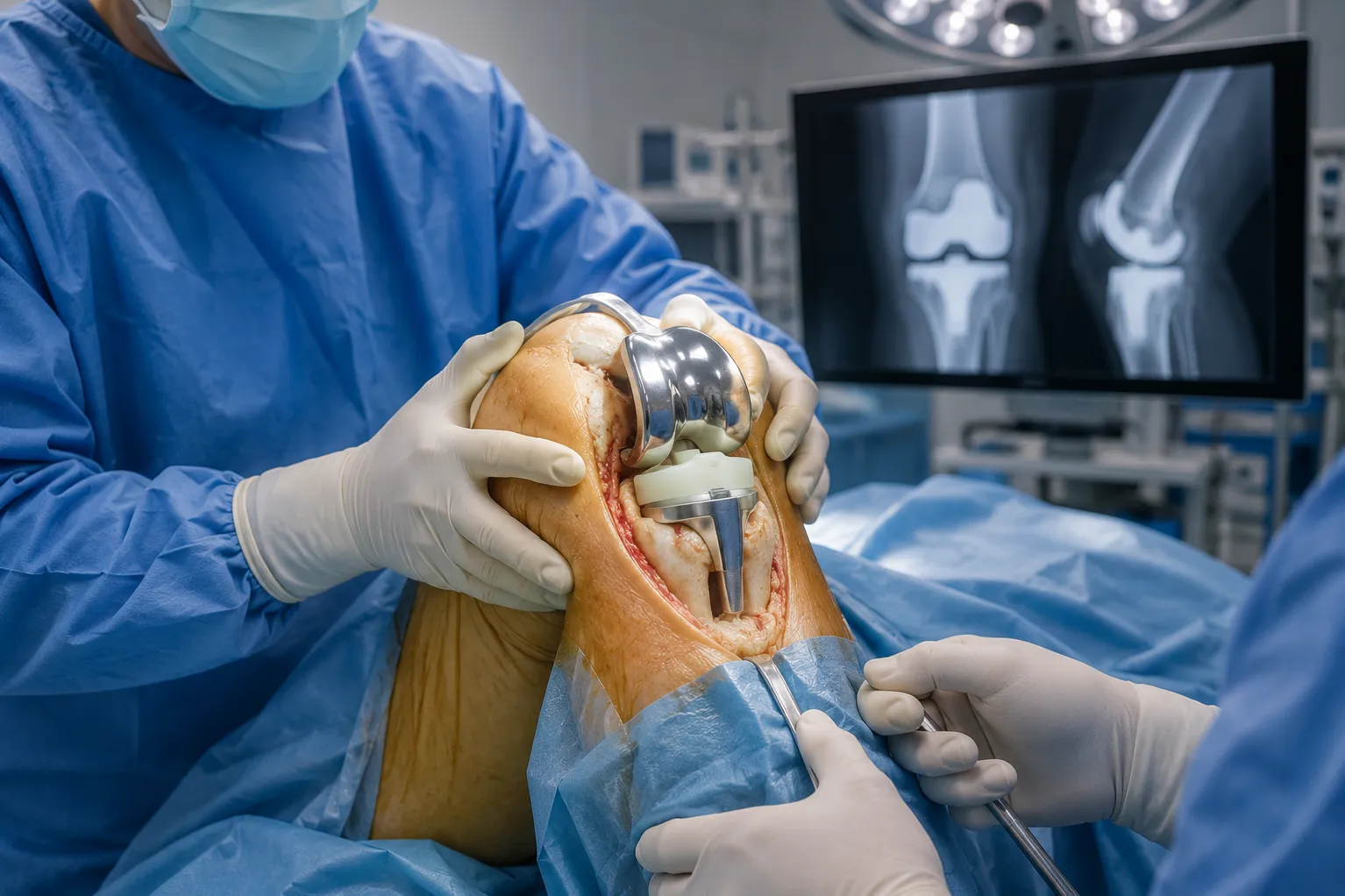
A total knee replacement is a surgical procedure performed when the damaged surfaces of the knee joint are replaced with specially designed artificial components. These implants are intended to recreate smooth joint movement after severe damage caused by arthritis or other conditions.
The procedure is generally recommended only after careful evaluation and when conservative treatments have not provided satisfactory improvement.
Conditions That May Lead to Knee Replacement
Several medical conditions can gradually damage the knee joint over time.
Common causes include:
- Osteoarthritis
- Rheumatoid arthritis
- Post-traumatic arthritis following fractures or injuries
- Severe cartilage damage
- Long-standing knee deformities
- Advanced degenerative joint disease
These conditions can progressively reduce joint function and interfere with everyday activities.
Symptoms That May Indicate the Need for Evaluation
Not every patient with knee pain requires surgery. However, certain symptoms suggest that specialist assessment is appropriate.
These include:
- Persistent knee pain despite medication
- Difficulty walking even short distances
- Pain during rest or at night
- Stiffness that limits movement
- Swelling that frequently returns
- Difficulty climbing stairs
- Reduced ability to perform daily activities
- Knee deformity affecting alignment
An orthopaedic evaluation helps determine whether surgery or continued conservative treatment is the better option.
What Happens Before Surgery?
Before recommending knee replacement, the treating orthopaedic surgeon performs a comprehensive assessment.
This usually includes:
- Medical history
- Physical examination
- X-rays to assess joint damage
- Blood investigations when required
- Evaluation of overall health and fitness for surgery
Doctors also discuss the patient's expectations, activity level, and recovery goals before planning treatment.
Are There Alternatives to Knee Replacement?
Yes. Many patients benefit from non-surgical treatment before surgery is considered.
Conservative management may include:
- Physiotherapy
- Weight management
- Activity modification
- Walking aids when necessary
- Medication prescribed by the doctor
- Knee strengthening exercises
- Lifestyle adjustments
These treatments may reduce symptoms, particularly during the earlier stages of arthritis.
Benefits of Knee Replacement Surgery
When performed for appropriate medical reasons, knee replacement can provide several functional benefits.
Potential advantages include:
- Relief from chronic joint pain
- Improved walking ability
- Better joint stability
- Increased range of movement
- Enhanced participation in everyday activities
- Better overall quality of life
Individual outcomes vary depending on age, overall health, rehabilitation, and the severity of joint damage before surgery.
Recovery After Knee Replacement
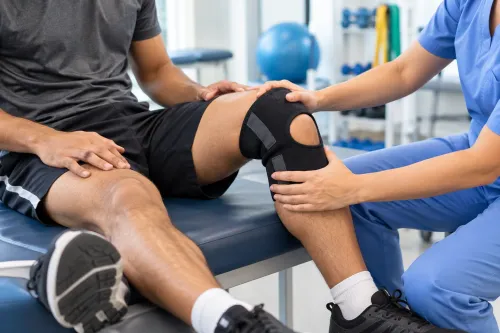
Successful surgery is only one part of the recovery process. Rehabilitation plays a major role in helping patients regain confidence and mobility.
Recovery typically includes:
- Early supervised walking
- Physiotherapy exercises
- Muscle strengthening
- Knee flexibility training
- Balance improvement
- Gradual return to normal activities
Patients who actively participate in rehabilitation often experience better functional recovery.
Frequently Asked Questions
How long does a knee replacement last?
Modern implants are designed to function for many years, although longevity depends on factors such as activity level, body weight, implant type, and overall joint health.
Is knee replacement only for elderly patients?
No. While older adults commonly undergo the procedure, younger patients with severe joint damage may also be suitable candidates depending on their condition.
Will I be able to walk normally again?
Most patients gradually regain comfortable walking through structured rehabilitation, although recovery timelines differ from person to person.
How soon can daily activities resume?
Basic daily activities often begin within weeks under medical guidance, while complete recovery may continue over several months depending on individual progress.
Choosing the Right Orthopaedic Hospital
Patients considering knee replacement may evaluate several important factors before selecting a healthcare provider.
These include:
- Experience in joint replacement surgery
- Advanced diagnostic facilities
- Personalized treatment planning
- Comprehensive rehabilitation services
- Long-term follow-up care
- Patient education throughout recovery
A coordinated approach helps ensure continuity of care from diagnosis through rehabilitation.
Supporting Better Mobility Through Evidence-Based Care
Living with chronic knee pain can affect independence, work, and overall well-being. Early consultation with an orthopaedic specialist allows patients to understand the full range of treatment options before deciding whether surgery is appropriate.
For residents of PCMC, Moshi, Pune, and surrounding areas, access to comprehensive joint care enables accurate diagnosis and individualized treatment planning. Anand Orthopaedic Hospital provides evaluation and management for knee arthritis, sports injuries, trauma, and joint replacement procedures using evidence-based orthopaedic practices. Through educational resources available on drniranjanganjewar.com, the hospital helps patients understand their condition, explore suitable treatment options, and work toward improved mobility and long-term joint health.
Keywords