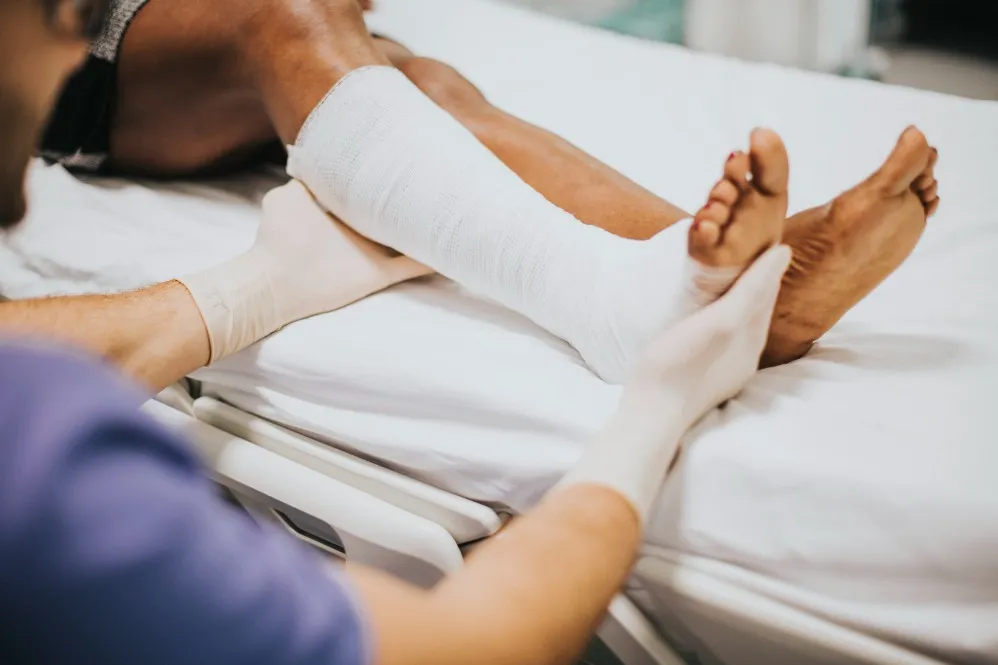
Orthopaedic trauma includes injuries affecting bones, joints, muscles, ligaments, and surrounding tissues. These injuries may result from road accidents, workplace incidents, sports activities, falls, or everyday mishaps. While some injuries can be treated with rest or immobilisation, others require urgent evaluation to protect movement and prevent complications.
Access to organised orthopaedic trauma care in Pimpri Chinchwad is particularly important because fast-growing residential and industrial areas across PCMC experience significant road traffic and occupational movement.
What Happens During the Initial Assessment?
Trauma evaluation begins with checking the patient’s overall condition. In a serious accident, breathing, circulation, head injury, and internal injuries take priority before the orthopaedic problem is addressed.
The injured limb or joint is then examined for:
- Pain, swelling, and deformity
- Open wounds or active bleeding
- Restricted movement
- Changes in skin colour or temperature
- Numbness or weakness
- Blood flow beyond the injured area
- Possible nerve or blood-vessel damage
Doctors may request X-rays, CT scans, MRI scans, or blood investigations depending on the injury.
Closed Fractures and Open Fractures
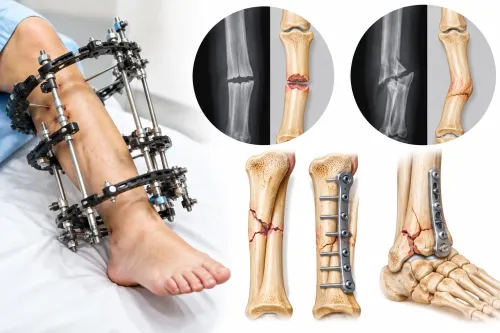
In a closed fracture, the broken bone does not communicate with an external wound. In an open fracture, the fracture site is exposed through damaged skin. Open fractures require urgent medical attention because contamination and infection can complicate treatment.
Until medical help is available, the injured part should be kept still. Attempting to straighten a visibly deformed limb without trained assistance may worsen tissue, nerve, or blood-vessel damage.
When Is Surgery Considered?
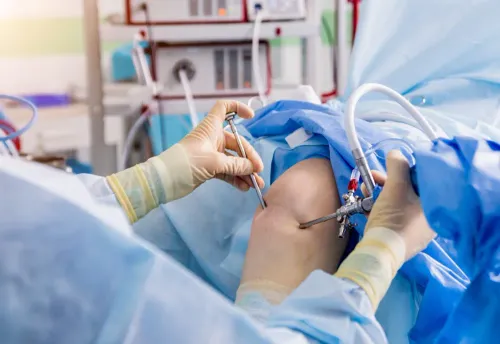
Not every fracture requires an operation. Stable fractures may heal with a cast, brace, or splint. Surgery may be recommended when:
- Bone fragments are displaced or unstable
- The fracture extends into a joint
- The skin has been broken
- Several fragments are present
- Blood vessels or nerves are threatened
- Conservative treatment cannot maintain alignment
- Multiple injuries must be managed together
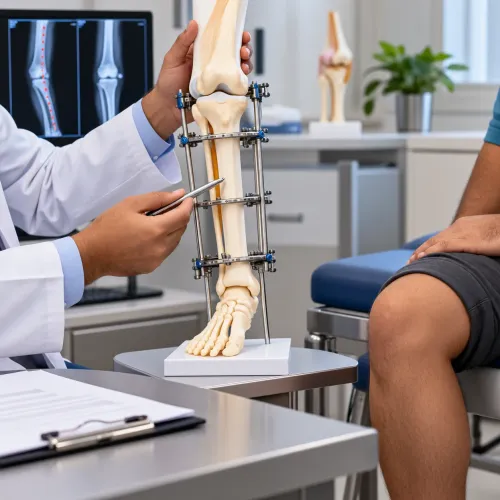
Internal fixation may involve plates, screws, nails, or wires. External fixation may be used when soft-tissue damage, swelling, contamination, or the patient’s general condition makes immediate internal fixation unsuitable.
Recovery Continues Beyond Bone Union
Successful trauma care involves more than joining broken bone. Swelling control, wound care, infection prevention, pain management, nutrition, and rehabilitation can all influence recovery.
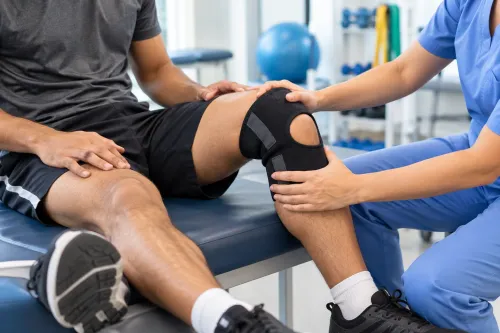
Physiotherapy is introduced according to fracture stability and the treating doctor’s instructions. Starting activity too early can disturb healing, but unnecessary delay may contribute to stiffness, weakness, and reduced function.
Follow-up imaging helps the orthopaedic team assess alignment and bone healing. Patients should attend scheduled reviews even if pain has reduced, because symptoms alone cannot confirm complete healing.
Signs That Need Immediate Attention
Urgent evaluation is advisable after trauma when there is:
- Visible deformity
- Bone exposed through a wound
- Severe or increasing pain
- Loss of sensation or movement
- A cold, pale, or bluish limb
- Uncontrolled bleeding
- Severe swelling or tightness
- Inability to stand or bear weight
- Fever, wound discharge, or increasing redness after treatment
Anand Orthopaedic Hospital in Moshi supports patients requiring assessment and treatment for fractures and musculoskeletal trauma in Pune and the wider Pimpri-Chinchwad region. The appropriate treatment depends on the injury pattern, soft-tissue condition, patient’s age, health status, and functional needs.
Early, structured care can help protect the injured limb, identify associated damage, and establish a safer path from emergency treatment to rehabilitation.
Keywords