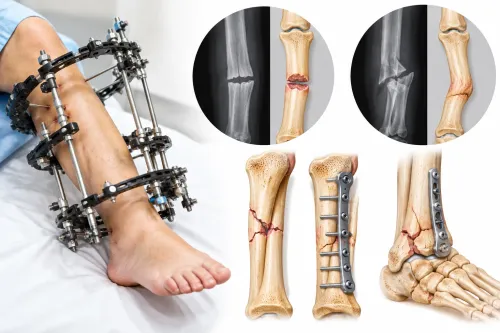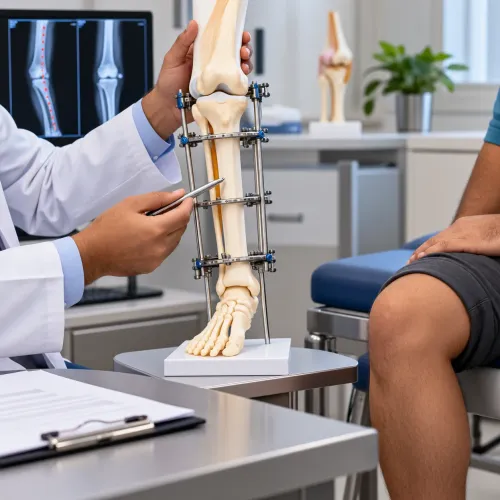
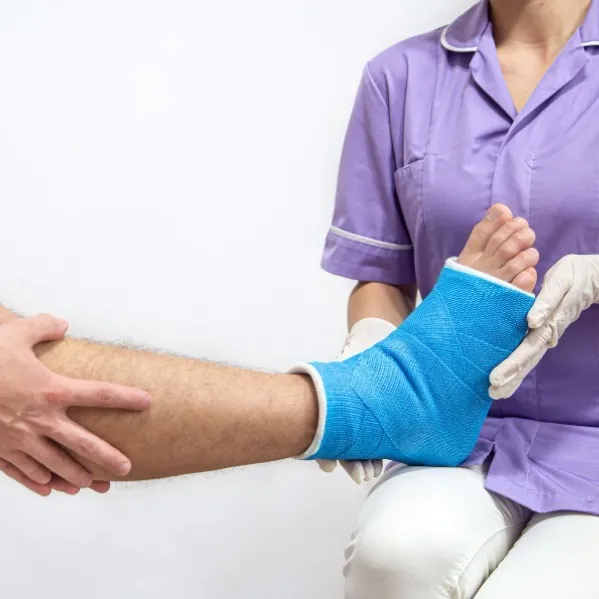
A bone fracture can happen during a road accident, sports activity, workplace injury, fall, or even a minor incident in an older adult with weaker bones. While some fractures appear straightforward, others involve displacement, joint surfaces, multiple bone fragments, or damage to surrounding tissues. Timely fracture management treatment is important because the way a fracture is assessed and stabilised can influence healing, movement, and long-term function.
For patients in Moshi and surrounding areas of Pune, understanding the basic steps involved in fracture care can make it easier to seek appropriate medical attention after an injury.
What Happens When a Bone Fractures?
A fracture means that the continuity of a bone has been disrupted. The severity can vary considerably.
Common fracture patterns include:
- Simple or closed fractures
- Open fractures where the skin is broken
- Displaced fractures
- Hairline or stress fractures
- Comminuted fractures with multiple fragments
- Fractures extending into a joint
- Compression fractures
- Fractures associated with ligament or soft-tissue injuries
Pain and swelling are common, but symptoms alone cannot determine the exact fracture pattern.
Why Early Assessment Matters
After an injury, people sometimes assume that being able to move the affected arm or leg means the bone is not fractured. This is not always correct.
Medical evaluation may include a physical examination and appropriate imaging, commonly an X-ray. CT or MRI evaluation may be considered for selected injuries where greater structural detail is required.
Early assessment helps determine whether the bone is properly aligned, whether a joint is involved, and whether nerves, blood vessels, muscles, or surrounding tissues have also been affected.
How Fractures Are Treated
The appropriate treatment depends on the fracture rather than following one standard approach.
Immobilisation
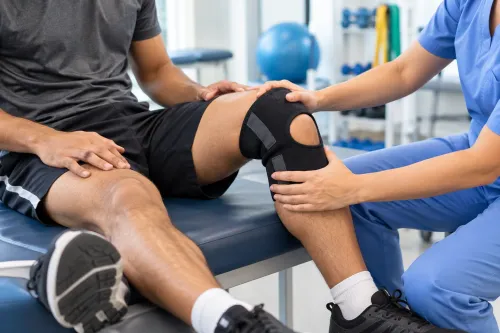
Stable fractures may be managed using a splint, cast, brace, or other immobilisation method. Restricting movement allows the bone to heal in an appropriate position.
Reduction
When fractured bone ends have shifted, they may need to be repositioned. This process is called reduction.
Surgical Stabilisation
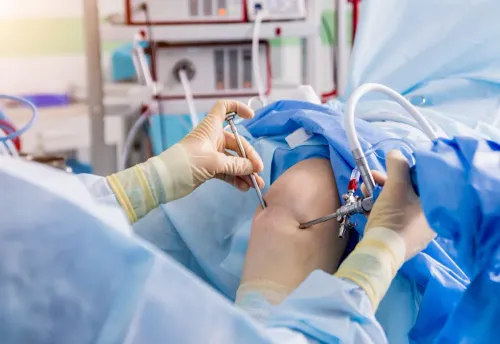
Some unstable, displaced, open, or complex fractures require surgery. Depending on the injury, fixation may involve plates, screws, nails, wires, or other orthopaedic implants.
The objective is not simply to join the bone. Treatment also aims to restore alignment and support useful function after healing.
Recovery Continues Beyond Initial Treatment
Bone healing takes time. The recovery period varies according to the patient's age, fracture location, injury severity, general health, and treatment method.
Follow-up appointments are important because doctors may need to assess:
- Bone alignment
- Progress of healing
- Swelling and pain
- Cast or wound condition
- Joint stiffness
- Ability to bear weight
- Need for rehabilitation
Physiotherapy may become part of recovery after sufficient healing. Exercises can help restore movement, muscle strength, balance, and confidence.
Warning Signs Should Not Be Ignored
Urgent medical evaluation is particularly important when an injury causes:
- Visible deformity
- Severe or increasing pain
- Significant swelling
- An open wound near the suspected fracture
- Numbness or tingling
- Pale or unusually cold fingers or toes
- Inability to use the injured limb
- Heavy bleeding
- Loss of movement following trauma
Attempting to straighten a visibly deformed limb without medical guidance can worsen the injury.
For people around Moshi, access to an orthopaedic and trauma facility can be especially relevant after road, workplace, household, and sports injuries. Anand Orthopaedic Hospital provides assessment and orthopaedic care for different types of fractures and musculoskeletal trauma.
Effective fracture care is ultimately about more than waiting for a bone to unite. Accurate diagnosis, appropriate stabilisation, follow-up, and rehabilitation all contribute to restoring safe movement and reducing the risk of avoidable complications.
Keywords