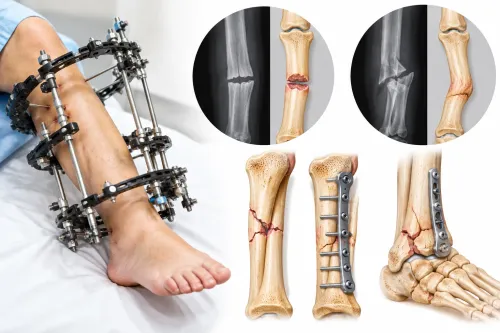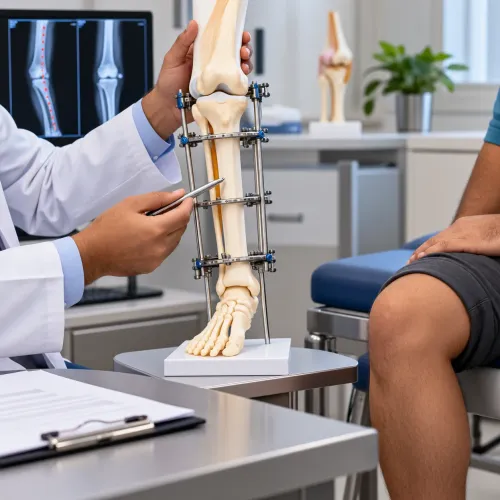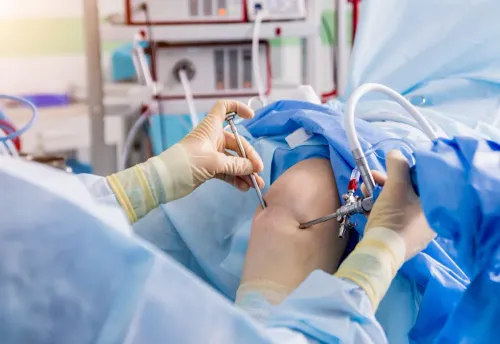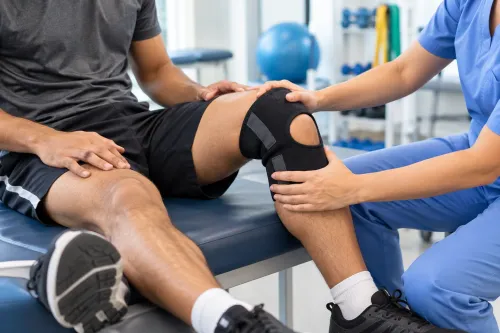
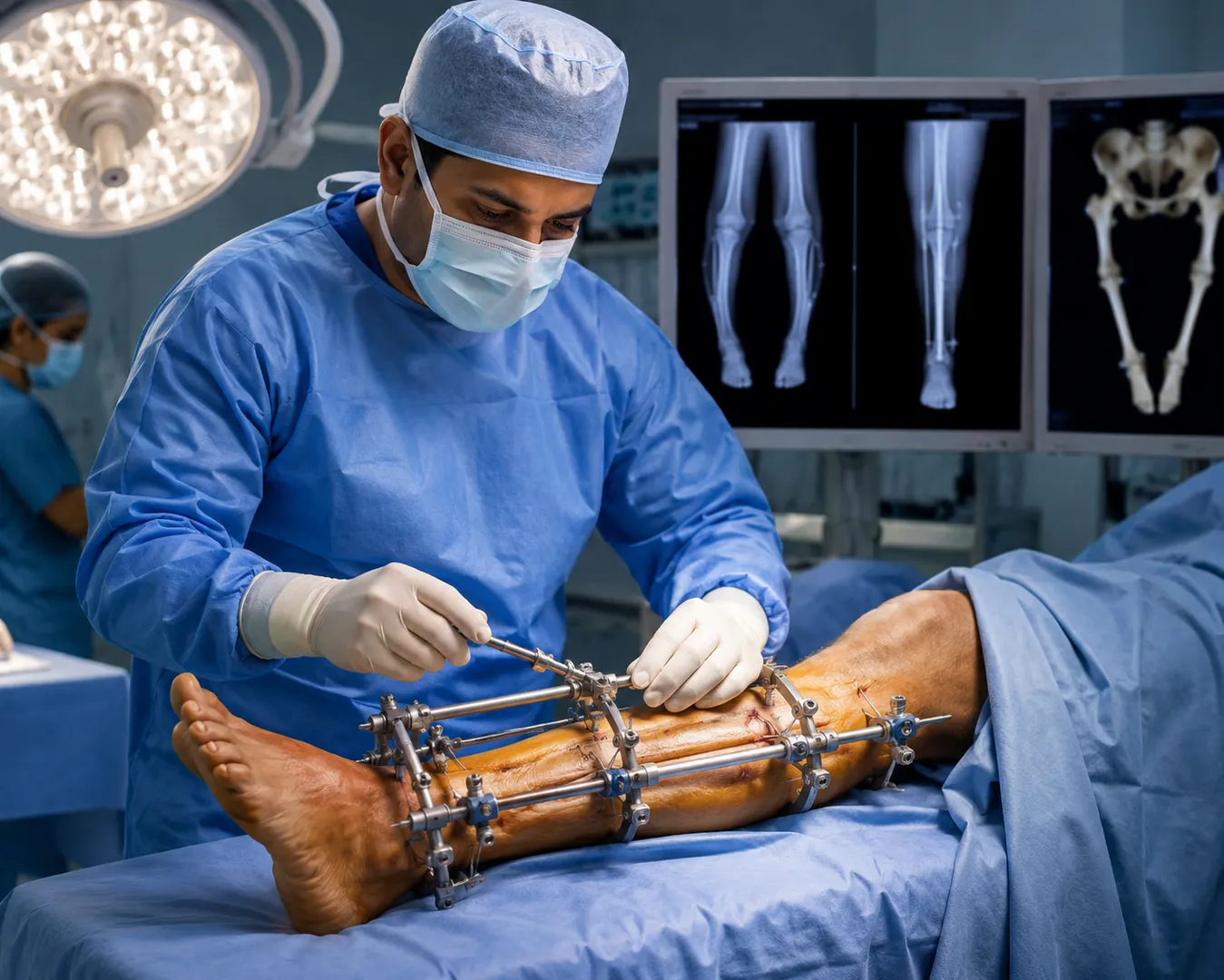
Bone and joint deformities can affect much more than physical appearance. They may lead to pain, difficulty walking, reduced joint function, imbalance, and limitations in everyday activities. Some deformities develop after fractures, while others are present from birth or occur gradually because of arthritis, infections, or growth-related conditions. Consulting a deformity correction orthopedic surgeon in Moshi allows patients to understand the cause of the problem and explore treatment options that focus on improving alignment, movement, and overall quality of life.
Modern deformity correction is highly individualized. Rather than addressing only the visible deformity, orthopaedic specialists carefully evaluate the bones, joints, muscles, and surrounding soft tissues to determine how the condition affects function. The goal is to restore proper alignment while helping patients move more comfortably and confidently.
What Is an Orthopaedic Deformity?
An orthopaedic deformity refers to an abnormal alignment or shape of a bone or joint that interferes with normal movement or weight-bearing. The deformity may involve a single bone or affect multiple joints and limbs.
Some deformities are mild and cause very few symptoms, while others significantly impact walking, posture, or daily activities.
Common examples include:
- Bowed legs
- Knock knees
- Limb length differences
- Malunited fractures
- Post-traumatic deformities
- Joint deformities caused by arthritis
- Bone deformities following infection
- Congenital bone abnormalities
The appropriate treatment depends on the underlying cause, severity, and the patient's functional needs.
What Causes Bone and Joint Deformities?
Several conditions can alter the normal alignment of bones and joints over time.
Common causes include:
- Fractures that heal in an incorrect position
- Birth-related skeletal abnormalities
- Growth plate injuries in children
- Arthritis affecting joints
- Bone infections
- Metabolic bone disorders
- Previous orthopaedic injuries
- Neuromuscular conditions
A thorough evaluation helps identify the exact cause before treatment is planned.
Symptoms That Should Prompt Specialist Evaluation
Not every deformity causes pain, but many eventually interfere with normal movement.
Patients should consider orthopaedic evaluation if they notice:
- Difficulty walking
- Persistent joint pain
- Uneven leg length
- Abnormal posture
- Visible bone deformity
- Reduced range of movement
- Frequent falls due to imbalance
- Progressive worsening of alignment
Early intervention often provides more treatment options and may prevent secondary joint damage.
How Orthopaedic Specialists Diagnose Deformities
Accurate diagnosis involves more than identifying visible changes. Specialists carefully assess how the deformity affects overall function.
Evaluation typically includes:
- Detailed medical history
- Physical examination
- Assessment of walking pattern and posture
- Measurement of limb alignment
- Digital X-rays
- CT scan or MRI when additional information is required
The findings help determine whether conservative treatment or corrective surgery is the most appropriate approach.
Non-Surgical Treatment Options
Some deformities can be managed without surgery, particularly when symptoms are mild or the condition is stable.
Treatment may include:
- Physiotherapy
- Orthotic supports
- Activity modification
- Pain management
- Strengthening exercises
- Regular clinical monitoring
These measures aim to improve function and reduce discomfort while slowing further progression where possible.
When Is Deformity Correction Surgery Recommended?
Surgical correction may be considered when the deformity causes significant pain, functional limitations, or progressive joint damage.
Reasons surgery may be advised include:
- Difficulty walking
- Progressive deformity
- Joint instability
- Limb length discrepancy affecting mobility
- Pain that does not improve with conservative treatment
- Malunion after fracture healing
The decision is always individualized after careful assessment of risks and expected benefits.
Modern Techniques in Deformity Correction
Orthopaedic surgery has advanced considerably, allowing many deformities to be corrected with greater precision.
Depending on the condition, treatment may involve:
- Corrective osteotomy
- Internal fixation using plates or screws
- Intramedullary nailing
- Limb alignment procedures
- Joint reconstruction
- Bone grafting where required
The chosen procedure depends on the patient's diagnosis, age, activity level, and long-term functional goals.
Rehabilitation After Deformity Correction
Successful surgery is only one part of treatment. Rehabilitation helps patients adapt to corrected alignment and regain normal movement.
Recovery may include:
- Physiotherapy
- Muscle strengthening
- Gait training
- Balance improvement
- Joint mobility exercises
- Functional rehabilitation
Consistent participation in rehabilitation supports long-term success and improves confidence during daily activities.
Can Deformities Be Prevented?
Not all deformities are preventable, but early diagnosis and appropriate treatment of injuries and bone disorders can reduce the risk of long-term complications.
Helpful preventive measures include:
- Timely treatment of fractures
- Regular follow-up after bone injuries
- Proper management of arthritis
- Early evaluation of abnormal walking patterns in children
- Maintaining good bone health through nutrition and exercise
Recognizing warning signs early often makes treatment more effective.
Choosing the Right Orthopaedic Specialist
When seeking care for a bone or joint deformity, patients may consider:
- Experience in complex orthopaedic reconstruction
- Advanced diagnostic imaging facilities
- Personalized treatment planning
- Comprehensive rehabilitation services
- Long-term follow-up care
A multidisciplinary approach ensures that treatment focuses on both structural correction and functional recovery.
Helping Patients Move with Greater Confidence
Bone and joint deformities can influence mobility, posture, and quality of life, but many conditions can be successfully managed through timely orthopaedic evaluation and evidence-based treatment. Whether the deformity is congenital, injury-related, or develops gradually over time, early intervention helps improve function and reduce the likelihood of future complications.
For residents of Moshi, Pune, PCMC, and nearby communities, Anand Orthopaedic Hospital provides comprehensive evaluation and management of complex orthopaedic conditions, including deformity correction, fracture reconstruction, trauma care, and joint preservation procedures. Through patient education available on drniranjanganjewar.com and individualized clinical care, the hospital supports patients in understanding their condition and working toward better mobility, improved alignment, and long-term musculoskeletal health.
Keywords