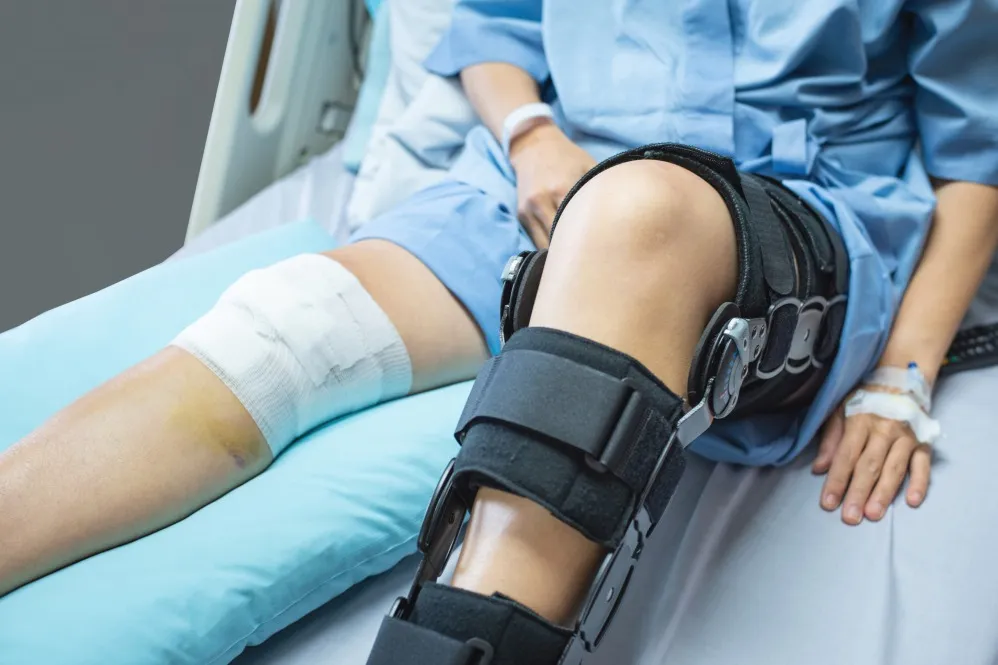
Accidents can happen without warning, and the injuries they cause are not always immediately visible. A road traffic collision, a fall from a height, or a workplace incident may leave a person with pain, swelling, or difficulty moving, but the actual damage to the bones, joints, or ligaments may be more serious than it first appears. Seeking timely care from an accident injury orthopedic surgeon in PCMC helps ensure that injuries are diagnosed accurately and treated before complications develop.
The growing industrial and residential areas across Pimpri-Chinchwad experience significant daily traffic and workplace activity, making accident-related orthopaedic injuries relatively common. Prompt assessment and appropriate treatment can improve healing, preserve joint function, and reduce the chances of long-term disability.
Why Orthopaedic Evaluation Matters After an Accident
Many people assume that if they can walk after an accident, their injuries must be minor. However, some fractures, ligament tears, and spinal injuries may not cause severe symptoms immediately. Adrenaline often masks pain during the first few hours after trauma, leading patients to delay medical attention.
An orthopaedic evaluation helps identify injuries that may not be obvious during an initial examination. Early diagnosis allows treatment to begin before problems such as bone displacement, nerve compression, or joint instability become more difficult to manage.
Common Orthopaedic Injuries Following Accidents
Accident-related injuries vary depending on the type and severity of the impact. Some involve a single bone, while others affect multiple parts of the musculoskeletal system.
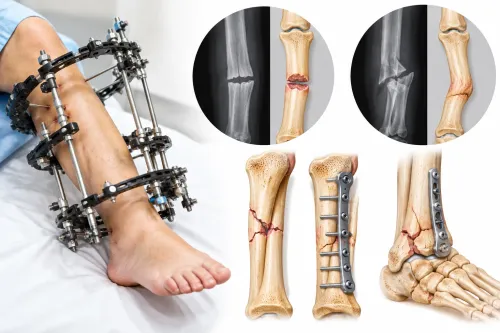
Frequently treated injuries include:
- Arm and leg fractures
- Wrist and ankle fractures
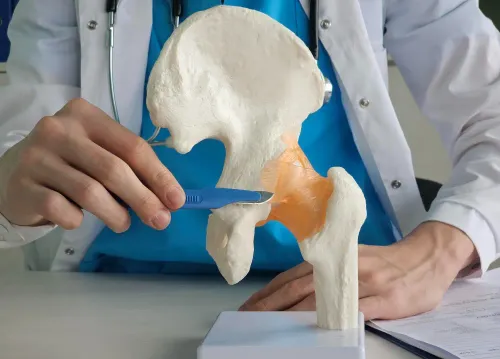
- Hip fractures
- Shoulder dislocations
- Knee ligament injuries
- Pelvic injuries
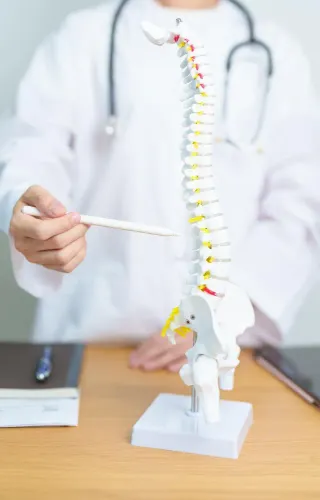
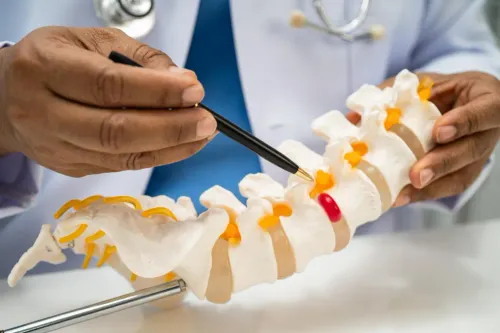
- Spine injuries
- Multiple trauma involving several bones
Soft tissue injuries involving muscles, tendons, and ligaments often occur alongside fractures and should not be overlooked during evaluation.
Symptoms That Require Immediate Medical Attention
Some warning signs should never be ignored after an accident, even if they seem manageable initially.
Seek prompt orthopaedic assessment if you experience:
- Severe pain that does not improve
- Swelling that increases rapidly
- Difficulty standing or walking
- Inability to move an arm or leg normally
- Visible deformity
- Open wounds near a suspected fracture
- Numbness or tingling in the hands or feet
- Neck or back pain following a high-impact injury
These symptoms may indicate serious injuries requiring urgent medical care.
How Orthopaedic Specialists Assess Trauma
A thorough evaluation begins with understanding how the accident occurred. The mechanism of injury often provides valuable clues about the structures that may be affected.
The assessment may include:
- Medical history and injury details
- Physical examination
- Digital X-rays
- CT scans for complex fractures
- MRI scans for ligament, tendon, cartilage, or spinal injuries
Advanced imaging enables doctors to detect injuries that might otherwise remain unnoticed and helps guide appropriate treatment decisions.
Treatment Is Individualized for Every Patient
No two accident injuries are exactly alike. Factors such as age, activity level, bone quality, and the severity of trauma all influence treatment planning.
Conservative Management
Certain injuries can heal successfully without surgery. Treatment may include:
- Splints or casts
- Braces
- Pain management
- Activity modification
- Regular follow-up imaging
- Physiotherapy
This approach is commonly used for stable fractures and selected soft tissue injuries.
Surgical Treatment
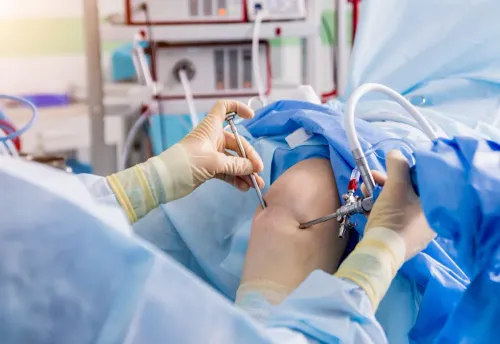
More complex injuries may require surgical intervention to restore normal anatomy and stability.
Procedures may include:
- Internal fixation using plates and screws
- Intramedullary nailing
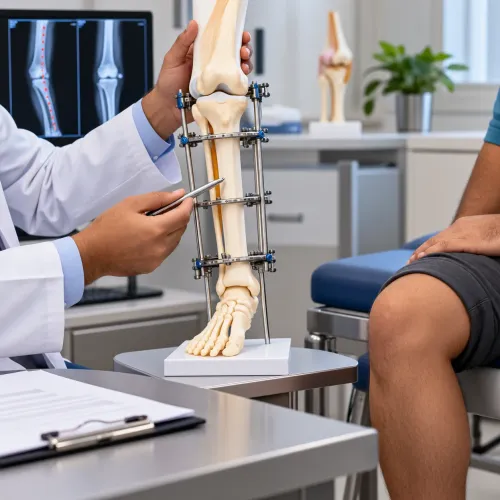
- External fixation
- Joint reconstruction
- Ligament repair or reconstruction
The goal is to promote proper healing while preserving movement and function.
Why Rehabilitation Is Essential
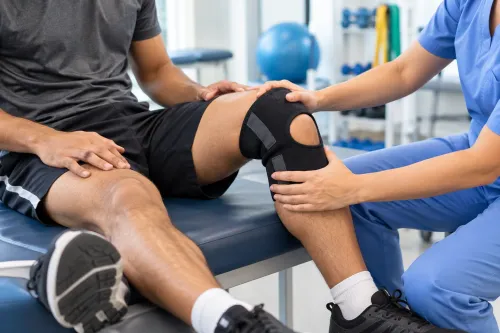
Recovery does not end after surgery or fracture stabilization. Rehabilitation plays a vital role in helping patients regain independence and return to their daily routines.
A rehabilitation program may focus on:
- Restoring joint mobility
- Strengthening weakened muscles
- Improving flexibility
- Enhancing balance and coordination
- Supporting a gradual return to work or sports
Following rehabilitation instructions consistently can significantly improve recovery outcomes.
Preventing Long-Term Complications
Delayed or incomplete treatment of accident-related injuries may increase the risk of complications such as:
- Improper bone healing
- Chronic pain
- Joint stiffness
- Reduced mobility
- Early arthritis
- Muscle weakness
- Persistent instability
Regular follow-up appointments allow doctors to monitor healing and address any concerns before they become more serious.
Choosing an Orthopaedic Hospital After an Accident
When selecting a hospital for accident-related orthopaedic care, patients may consider several important factors:
- Availability of emergency trauma services
- Experience in managing complex fractures
- Access to advanced imaging facilities
- Comprehensive surgical care when required
- Integrated rehabilitation support
- Personalized treatment planning
A coordinated approach allows patients to receive diagnosis, treatment, and rehabilitation without unnecessary delays.
Comprehensive Trauma Care Close to Home
For residents of PCMC, Moshi, Pune, and surrounding areas, access to timely orthopaedic care can make a meaningful difference after an accident. Early diagnosis, evidence-based treatment, and structured rehabilitation help patients recover safely while minimizing the impact of injuries on their daily lives.
Anand Orthopaedic Hospital provides comprehensive orthopaedic trauma services for patients with accident-related injuries, fractures, joint damage, and musculoskeletal conditions. Through a patient-focused approach and information shared on drniranjanganjewar.com, the hospital emphasizes accurate diagnosis, individualized treatment planning, and long-term functional recovery to support patients throughout every stage of healing.
Keywords